
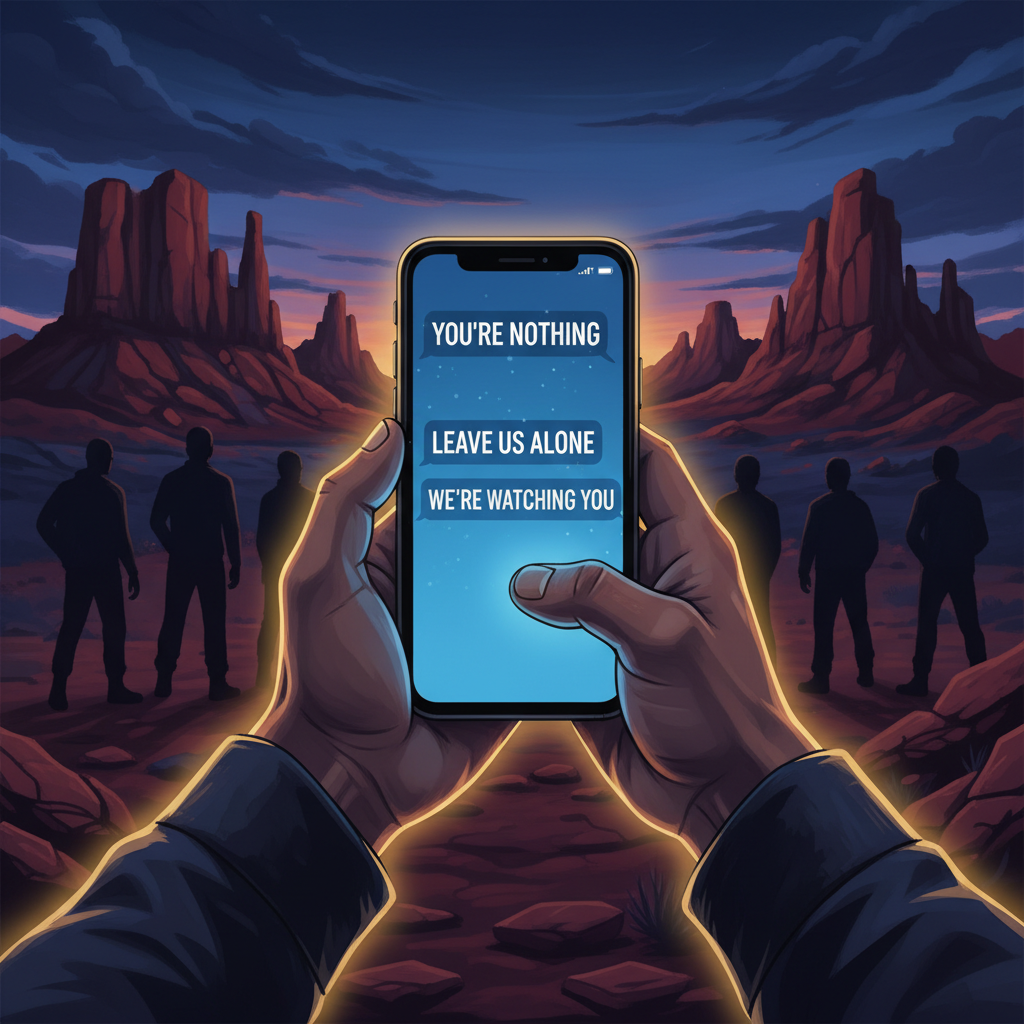
Harassment and cyberbullying have become serious concerns for many Utahns—whether you’re a parent, teen, educator, or anyone who uses social media or technology. Utah law treats these issues as more than just bad online etiquette; certain conduct can lead to criminal charges or civil penalties.
Knowing what actually counts as harassment or cyberbullying in Utah, and understanding the legal consequences, can help you avoid costly mistakes that could impact your family, reputation, or even your freedom. Let’s break down what Utah law says and spotlight seven common pitfalls Utahns fall into.
Understanding Utah Harassment & Cyberbullying Laws
Utah’s main law on harassment is found in Utah Code Ann. § 76-5-106, which prohibits repeated unwanted communication meant to annoy, alarm, or offend another person. For cyberbullying, Utah Code §§ 53G-9-601 to 53G-9-606 requires every school district and charter to enforce bullying, cyberbullying, and hazing policies for students on and off campus. Some forms of online harassment may also be charged under Utah’s electronic communications harassment act.
Utah Tip: Just one angry text or post usually isn’t enough for criminal harassment, but repeated unwanted contact or threats—even online—can quickly cross the line.
7 Common Mistakes Utahns Make About Harassment & Cyberbullying Laws
- Thinking only face-to-face behavior counts. In Utah, texts, emails, DMs, and social media messages can be considered harassment if they’re persistent and unwanted.
- Forgetting about school rules. Utah schools (from Salt Lake City to Cedar City) must act on bullying or cyberbullying—even when it happens off-site or after hours.
- Ignoring the “repeated” element. One heated message isn’t typically harassment, but ongoing targeting is. Police and courts in Utah County, Davis County, and Salt Lake County look closely at patterns.
- Not saving evidence of online abuse. Screenshots of threatening or harassing messages matter if you need a protective order or to report a crime in Utah.
- Believing you have to suffer in silence. Utah judges can issue civil stalking injunctions or protective orders—even for minors—if harassment rises to a serious level.
- Misusing blocking features as a “cure-all.” While blocking can help, continued attempts to reach someone after being blocked can get you into legal trouble.
- Failing to report abuse early. Many Utahns wait until a situation escalates. Early action with schools, police, or a lawyer can often prevent criminal charges and further harm.
If you’re dealing with harassment or cyberbullying allegations or concerns in Utah, here’s what else you should know about how these cases are handled and which steps to take.
How Harassment and Cyberbullying Cases Work in Utah
If you’re accused of harassment, law enforcement and prosecutors in Utah will look for a pattern of behavior that’s intended to annoy, threaten, or emotionally harm. Electronic evidence (texts, social media posts, emails) is often critical. In K-12 schools, principals must follow Utah’s Safe Schools policies. Parents and students can file written complaints; districts in Salt Lake, Ogden, and Provo have official reporting processes. Victims may also seek protective orders through district court. Penalties can include criminal charges (usually a misdemeanor), fines, mandatory counseling, or school discipline.
What to Expect If You Report or Are Accused
Most school cases begin with a report to an administrator, who investigates and contacts parents. For criminal cases, police may interview involved parties and gather technology evidence. Utah’s juvenile courts often handle cases involving minors. For adults, justice courts cover misdemeanors, while serious threats might go to district court.
To show how these cases can arise in Utah, here’s a real-world scenario:
In one Davis County high school, repeated anonymous Instagram messages targeting a student triggered both school discipline and a law enforcement investigation, leading to a community service agreement with the prosecutor instead of formal charges. Meanwhile, in Salt Lake City, several adult stalking and harassment cases have involved unwanted texting or online contact that violated court-issued protective orders.
Checklist: How to Protect Yourself and Others in Utah
- Document everything. Take screenshots or save copies of any unwanted or threatening communications.
- Act quickly. Report suspected harassment early to your school, employer, or local police department.
- Know your rights. Review your school or workplace policies and understand Utah’s definitions in the statutes above.
- Consider professional help. Talk to a Utah lawyer if you receive a court notice, police call, or school discipline letter.
- Don’t retaliate online. Any hostile response could be used against you under Utah law.
The Final Word
Utah’s laws on harassment and cyberbullying are strict, but knowing the rules—and the most common mistakes—can keep you, your family, and your reputation protected. While this guide outlines your rights and responsibilities, remember it’s not legal advice. If you or your child is involved in a harassment or cyberbullying situation, consult with a licensed Utah attorney as soon as possible.
For more plain-English Utah legal explainers, visit Utah Law Explained or check out our About Us page to learn more.