
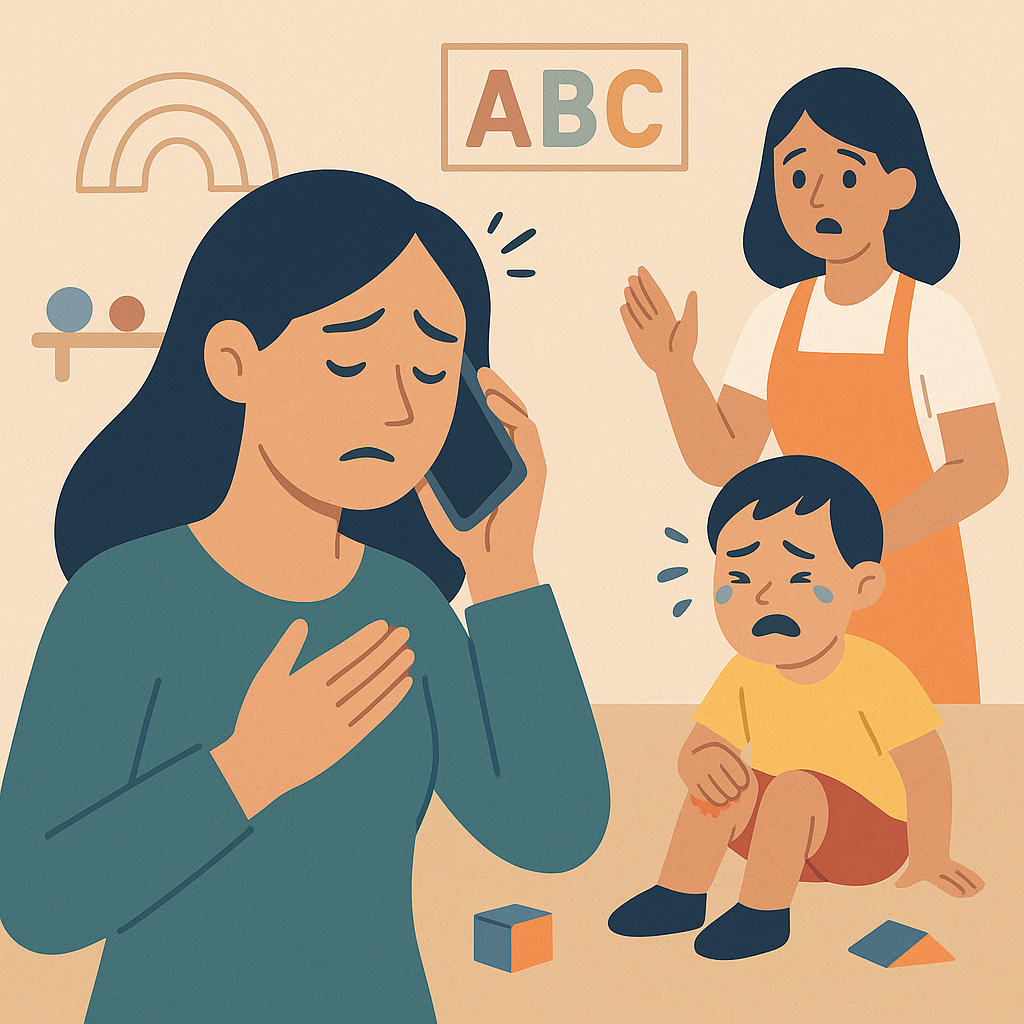
What to Do If a Utah Daycare Injures Your Child
Step-by-step Utah guide to medical care, documentation, reporting, and legal options after a daycare injury.
Utah daycares have a legal duty to keep children safe. When a preventable injury happens, the law can hold the daycare accountable, especially if supervision failed, safety rules were ignored, or licensing standards were violated. This guide from Utah Law Explained walks you through clear, practical steps you can take right away: getting medical care, collecting evidence, using Utah’s childcare licensing system, and understanding when a daycare’s mistake becomes a legal claim.
Use this as a calm, structured checklist during a stressful time so you can focus on protecting your child’s health and rights.
Step 1: Get Immediate Medical Care
Your child’s health comes first. Even injuries that look “minor” can mask concussions, internal injuries, or fractures. Quick treatment also creates medical records that later show exactly what happened and when.
Checklist: Medical Care
- Take your child to urgent care, the ER, or their pediatrician as soon as you learn about the injury.
- Tell the doctor exactly what the daycare reported (who, what, where, when), and ask that it be noted in the chart.
- Request copies of visit summaries, x-rays, test results, and discharge instructions.
- Over the next few days, track symptoms such as headaches, nightmares, changes in behavior, or fear of returning to daycare.
Step 2: Ask for the Daycare’s Incident Report
Licensed Utah childcare centers are required to document injuries. Their written report can confirm timelines, staff on duty, and how they claim the injury occurred.
Checklist: Daycare Paper Trail
- Request a copy of the written incident report and keep it in your records.
- Ask who was supervising your child at the time and how many children were in the group.
- Request the exact time of the injury and when you were notified.
- Save every message from the daycare: texts, emails, app updates, voicemails.
If the daycare resists putting details in writing or gives shifting explanations, note that behavior. Inconsistencies can matter later when negligence is being evaluated.
Step 3: Document Injuries and Unsafe Conditions
Your own documentation is often just as important as the daycare’s. Photos, videos, and written notes capture what things looked like before they change or get repaired.
Checklist: Evidence You Can Gather
- Take clear photos of visible injuries (bruises, cuts, swelling) as soon as possible and over the next few days.
- If you can safely do so, photograph or video the area where the injury occurred (playground, classroom, hallway).
- Note any obvious hazards: broken playground equipment, cluttered walkways, unsecured gates, cleaning supplies within reach, or wet floors without signs.
- Write down what your child tells you in their own words about what happened.
- Keep a simple timeline: injury time, when you were called, when you arrived, and what staff said at each point.
Step 4: Consider Reporting to Utah Child Care Licensing
Utah’s Child Care Licensing Program (within the Department of Health and Human Services) oversees daycare safety, staffing ratios, training, and serious incident reporting. Filing a complaint can:
- Create an official state record of the injury.
- Trigger inspections or investigations into supervision and safety practices.
- Reveal whether the daycare has prior violations or repeat problems.
You can usually submit a complaint online or by phone. Provide dates, names, descriptions of the injury, and any safety issues you observed. Reporting helps protect your child and other families using the same daycare.
Step 5: Understand Negligence and Utah Daycare Rules
To pursue a legal claim, parents usually need to show that the daycare was negligent meaning they did not act with reasonable care and that failure caused your child’s injury.
In a Utah daycare injury case, negligence often looks like:
- Too few staff supervising too many children.
- Caregivers distracted by phones or chatting instead of watching kids.
- Broken or poorly maintained playground equipment.
- Ignoring known hazards (for example, a loose railing or damaged steps).
- Not following Utah licensing rules on ratios, safe sleep, or discipline.
- Delaying medical care or failing to notify parents promptly.
Utah’s childcare regulations set minimum safety standards around staffing, training, background checks, and the physical environment. When a daycare violates those standards and a child is hurt as a result that regulatory violation can become powerful evidence in a civil claim.
Step 6: Know What Compensation May Cover
If a Utah daycare’s negligence caused your child’s injury, you may be able to pursue compensation. This is usually handled through an insurance claim or, in some cases, a lawsuit.
Potential categories of damages include:
- Past and future medical bills related to the injury.
- Physical pain and emotional distress experienced by your child.
- Long-term impacts, such as scarring, disability, or trauma.
- Therapy or counseling costs if needed after the incident.
- Lost wages if you had to miss work to care for your child.
- Costs associated with switching childcare providers.
An attorney can help you understand how Utah law treats these categories of damages and whether a settlement offer from an insurer is fair in light of your child’s injuries.
YouTube & Instagram: Learning More About Daycare Injuries
YouTube: What to Do After a Daycare Injury
Instagram: Quick Tips for Injured-at-Daycare Cases
Need Help Applying This to Your Child’s Situation?
When a Utah daycare injures your child, quick action matters. Getting medical help, documenting what happened, and understanding how Utah licensing and negligence rules work can make a real difference in your child’s recovery and in any claim you pursue.
Talk to a Utah AttorneyFor more plain-English legal guidance, stay updated with Utah Law Explained, explore our mission on the About Us page, or connect with trusted counsel like Gibb Law Firm.