

Wondering how mediation really works in Utah family or small claims cases? Mediation is a structured way for people to resolve legal disputes with the help of a neutral third party (the mediator). Whether you’re facing a divorce, child custody disagreement, or a neighborly dispute in small claims court, understanding the Utah mediation process can make your experience quicker, less stressful, and—in many cases—less expensive than a trial.
Many Utah families and small business owners are surprised to learn that mediation is not only encouraged by Utah courts—it’s often required. Knowing the basics helps you walk in prepared and make the most of your session. Below, we answer the top 10 questions Utahns ask about mediation in family and small claims cases.
What is Mediation and Do Utah Courts Require It?
Mediation is an informal, confidential meeting where both parties work with a trained, neutral mediator to reach an agreement. In Utah family law cases (like divorce, custody, and parent-time), mediation is required before the court will hold a trial (Utah Code Ann. § 30-3-39). In small claims cases, especially in counties like Salt Lake and Utah County, courts often encourage or mandate mediation before proceeding to a hearing.
Utah Tip: If you ignore a Utah judge’s order to attend mediation, your case can be delayed—or even dismissed. Be sure to show up and participate in good faith.
To get a feel for how Alternative Dispute Resolution works in Utah courts, check out this overview by a local attorney.

Watch directly on YouTube — embedding disabled by owner.
This video offers an overview of the mediation process in Utah courts.
How Does Mediation Work in Utah Family and Small Claims Cases?
Here’s how mediation usually works:
- Scheduling: The court or parties select a mediator from Utah’s roster (list) of approved mediators.
- Preparation: Each side gathers documents, forms, and thinks through what they want to settle.
- The Session: Everyone meets (in person or by video) with the mediator, who helps each side communicate and explore solutions. Mediators don’t make decisions for you—they help you find agreement.
- Agreement: If you settle, the mediator writes up the agreement for both sides to sign. If not, you proceed to court.
- Filing: In Utah family law, you may have to file a mediation report with the court to verify attendance and outcome (Utah Courts Family Mediation resource).
Throughout this process in Utah, mediation can save hours (or more) of court time and minimize legal expenses.
Utah-based family law mediators often share tips on preparing for a successful session—like this quick reel.
Notice how Utah mediators emphasize faster, less expensive solutions compared to a formal trial.
10 Quick Questions Utahns Ask About Mediation
1. Is mediation confidential?
Yes. Under Utah Code Ann. § 78B-10-106, discussions in mediation are private. Mediators cannot be called as witnesses about what was said.
2. Can I bring my attorney to mediation?
Absolutely. You may bring a lawyer for advice and support during Utah mediations, or you can attend on your own.
3. How much does mediation cost in Utah?
Mediator fees range from $40/hour (sometimes less for low-income parties) to $200/hour. Some courts in Utah offer reduced-fee or free mediation for small claims cases.
4. Where does mediation happen?
Sessions can be in person (often at the courthouse or mediator’s office) or by video conference—Salt Lake, Davis, and Weber Counties now frequently use remote mediation options.
5. What if we don’t settle?
If you can’t reach an agreement, the case continues in court. The mediator files a report stating only that mediation was attempted, not the details.
6. Who pays for mediation in Utah?
Parties typically split the cost, but the court can order otherwise if there’s hardship or another reason.
7. Can mediation be used for all family or small claims disputes?
Mediation is required for Utah divorce and custody, and often used for small claims, but not every situation is appropriate—like severe domestic violence.
8. How do I find a Utah mediator?
Use the Utah State Courts’ approved mediator list. Ask if they’re court-approved for your county.
9. What forms are required before and after mediation?
Check your local court’s website. For example, in Salt Lake County, the “Notice of Mediation” and “Certificate of Completion” are standard.
10. Can agreements reached in mediation be enforced?
Yes. Signed mediation agreements are enforceable like any court order (Utah Code Ann. § 78B-10-107).
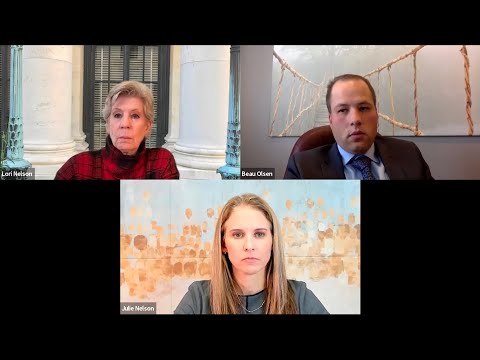
This lawyer-led Utah video walks through the kind of outcomes possible when mediation is used in divorce or custody disputes.
Watch directly on YouTube — embedding disabled by owner.
See how Utah families resolve even complex divorce issues with mediation and, sometimes, arbitration.
Common Mediation Mistakes Utahns Should Avoid
- Skipping required mediation steps in certain counties (like failing to complete the Mediation Certificate in Weber County).
- Not preparing clear goals or documents for the session, leading to wasted time and poor agreements.
- Assuming the mediator decides the case—they facilitate, but the power remains with the parties.
- Not confirming whether a court approved mediator is being used—each Utah county has a roster.
Utah mediation groups regularly provide advice specific to local family and small claims practices, like this reel below.
This Utah mediation firm shares local insight about choosing the right professional for your case.
The Final Word
Mediation is central to resolving family and small claims disputes in Utah. Knowing how the system works—from required steps under Utah Code, to how sessions are run and what forms to file—empowers you to save time and money, and reach agreements that work for your situation. Remember: the information here is general; for advice about your particular case, contact a qualified Utah attorney or approved mediator in your county.
For more plain-English legal explainers for Utahns, visit Utah Law Explained or see our About Us page.