Influencer Brand Deals Gone Wrong in Utah
Plain-English guide to contracts, payment disputes, deliverables, disclosures, and practical ways to resolve conflicts
Unpaid invoices. Missed posting deadlines. Content that goes live with the wrong tags or never goes live at all. Influencer partnerships can look casual online, but when expectations aren’t met, they can turn into real disputes with real consequences.
In Utah, these conflicts are usually treated like any other contract issue: what matters is what was agreed, what was delivered, and what you can prove with messages, invoices, drafts, and posting records.
How Utah Typically Looks at Influencer Disputes
Utah does not have a special “influencer contract” category. Most disagreements over influencer brand deals are handled using everyday legal concepts especially contract rules. In plain terms, the main question is: Did one side fail to do what it promised to do?
That answer usually comes down to the details: deliverables, timing, usage rights, payment terms, approvals, and what was actually sent or posted.
The Contract Terms That Matter Most
When a deal collapses, the dispute almost always traces back to unclear terms. The most important deal points usually include:
Scenario Breakdown: What “Gone Wrong” Usually Looks Like
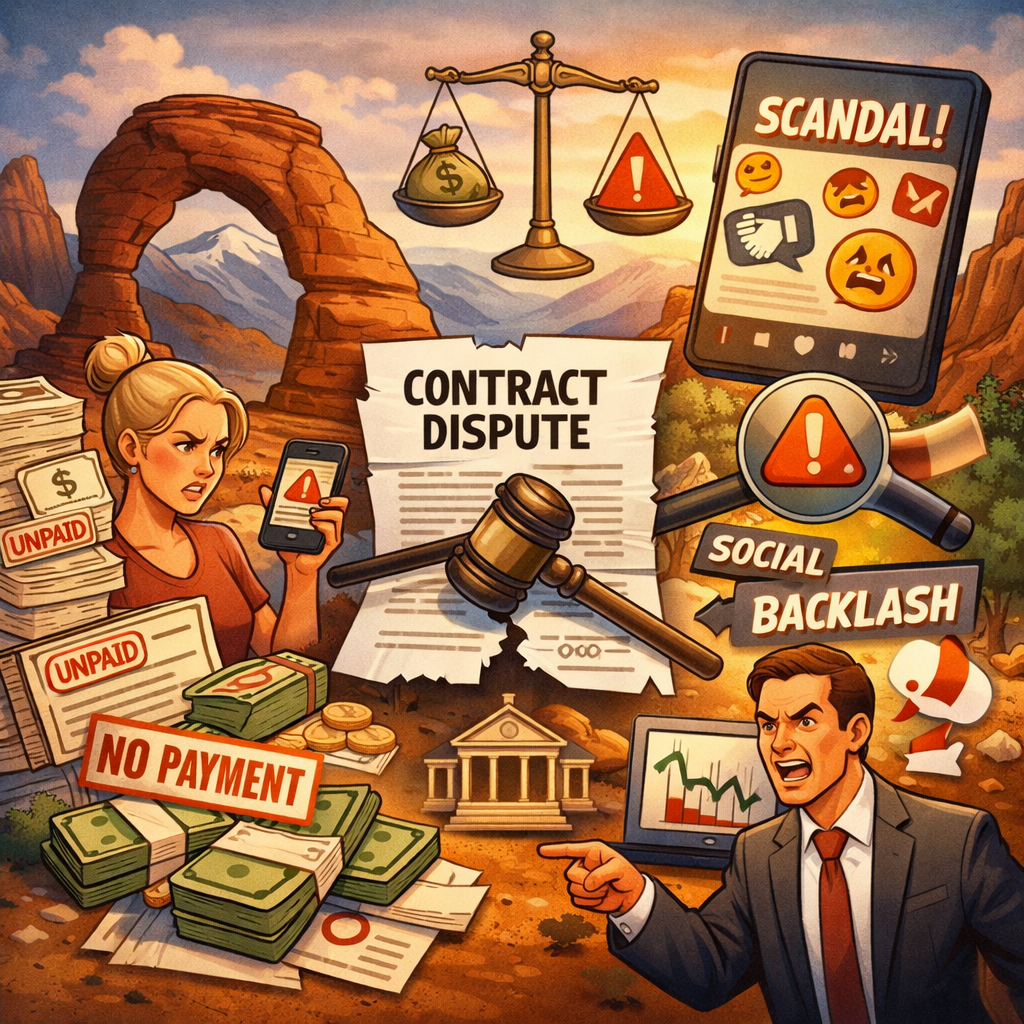
Scenario A: The influencer posts, but the brand doesn’t pay. This often becomes a nonpayment dispute where proof matters what was promised, what was posted, and what the payment terms were.
Scenario B: The brand pays, but says the deliverables were incomplete. Disputes commonly involve missing tags, late posts, fewer deliverables than expected, or content that doesn’t match the agreed scope.
Scenario C: The deal creates disclosure or brand safety problems. If disclosure expectations aren’t followed, brands may terminate the partnership or demand changes. This can trigger payment disputes and takedown requests.
Scenario D: The dispute goes public. Once accusations spread online, reputational damage can escalate quickly, and the conflict may become harder to resolve.
FTC Disclosure Rules and Brand Safety Concerns
Influencers generally need to disclose when content is sponsored or when they receive something of value (cash, free products, commissions, or other benefits). Brands often build disclosure requirements into the deal.
When disclosure expectations aren’t followed, brands may argue the influencer breached the agreement, while influencers may argue they weren’t given clear instructions. Either way, it can trigger takedown demands, payment disputes, or early termination.
Negotiation, Mediation, and Small Claims Options
Many influencer disputes resolve without court when both sides focus on the basics: the agreement, the receipts, and a fair off-ramp. Common steps include direct negotiation, a short settlement agreement, or mediation.
For lower-dollar disputes, small claims court may be a practical option. Results tend to improve when you have clean documentation: messages confirming terms, invoices, proof of delivery, posting screenshots, and timelines.
YouTube & Instagram Videos
YouTube: Influencer Deals & Fallout
Instagram: Brand Deal Failure Examples
When Deals Go Sideways, Clarity Wins
Clear written agreements protect both creators and brands when partnerships don’t go as planned. The more specific the expectations are upfront, the easier it is to fix problems or end the deal cleanly without a public blowup.
Talk to a Utah AttorneyFor more plain-English legal guidance, stay updated with Utah Law Explained, explore our mission on the About Us page, or connect with trusted counsel like Gibb Law Firm.