
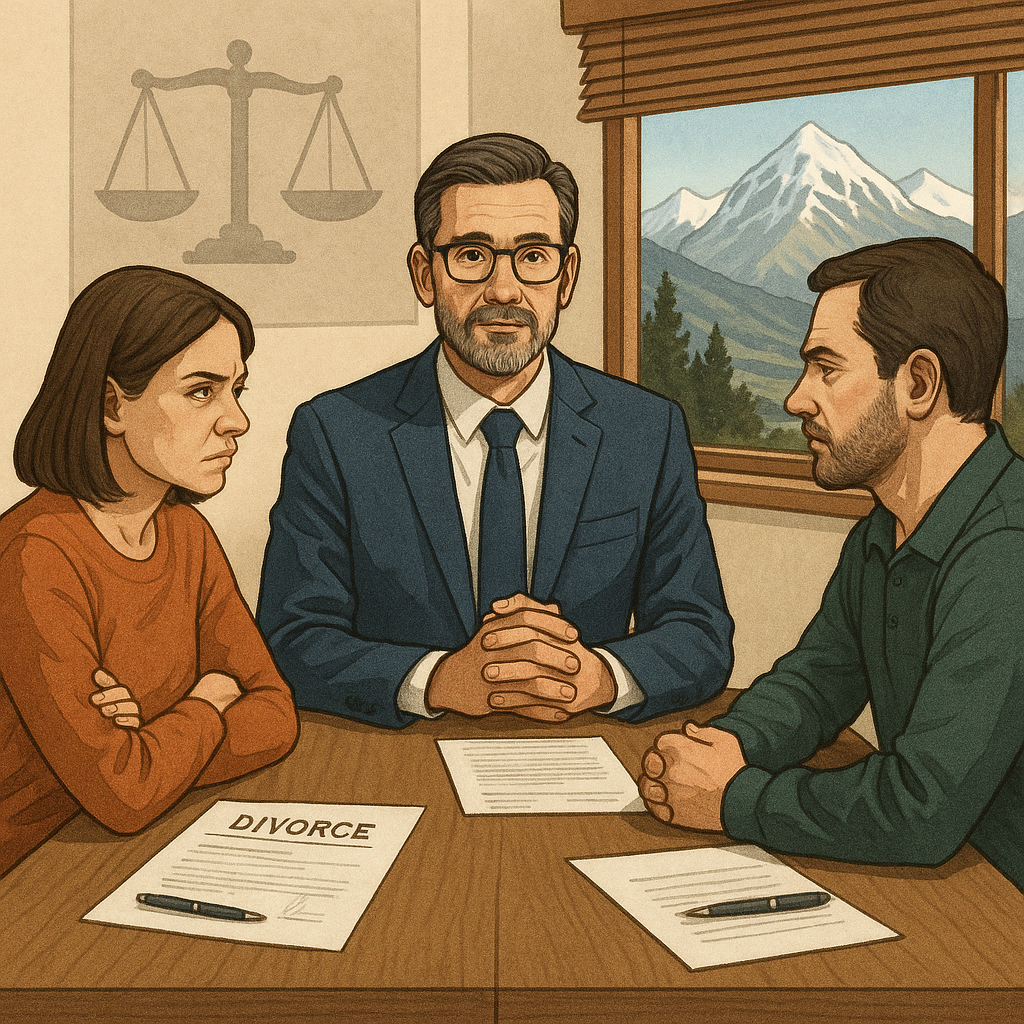
Utah Divorce Mediation: How to Prepare and What Happens if You Don’t Agree
Plain-English guide to Utah divorce mediation, preparation, and what happens when you cannot reach an agreement
In Utah, most divorcing couples must attempt mediation before a judge will move a case toward trial. Mediation gives both sides a structured, confidential setting to negotiate parenting plans, money issues, and the final terms of a divorce. When handled well, it saves time, reduces legal costs, and gives parents far more control than they would have in court.
This guide breaks down exactly what to expect, how to prepare, and what happens if mediation does not lead to an agreement. All information is Utah-specific and written to help you move through the process with confidence.
How Utah Divorce Mediation Works
Mediation is a private negotiation session with a trained mediator who helps both sides discuss issues calmly, exchange proposals, and work toward a resolution. The mediator does not decide the case. Instead, they guide the conversation and help uncover realistic middle-ground options.
Mediation in Utah is confidential, encouraged by the courts, and often required before a case can proceed to trial.
Step-by-Step: Court-Ordered Mediation in Utah
Step 1: The Court Requires Mediation. In most contested divorce cases, the judge issues an order requiring both parties to attend at least one mediation session. You can choose a mediator together or have one assigned.
Step 2: Scheduling and Pre-Session Preparation. Each side coordinates with the mediator’s office to select a date and determine whether the session will be in person or online. Many Utah mediators now offer virtual sessions through Zoom or similar platforms.
Step 3: Share Basic Information Before the Session. Mediators may ask for a summary of disputed topics, financial affidavits, parenting proposals, or any concerns that could impact negotiations. This helps them prepare for a productive discussion.
Step 4: Attend the Mediation Session. The session typically begins with simple ground rules. From there, many mediators separate the parties into different rooms or virtual breakout spaces to lower conflict and help negotiations move more smoothly.
Step 5: Negotiation and Problem-Solving. The mediator goes back and forth between the parties, presenting proposals, clarifying misunderstandings, and helping generate realistic compromises. Your attorney can attend or give advice separately during breaks.
Step 6: Reaching an Agreement. If you reach a partial or full agreement, the mediator records the terms in writing. Both parties sign, and the document becomes enforceable once submitted to the court.
Step 7: If No Agreement Is Reached. You return to court and continue through the litigation process, including hearings, additional negotiations, or trial.
Checklist: What to Bring to Utah Divorce Mediation
Bring only what you are certain is accurate. If in doubt, leave it out.
How to Prepare: Practical Tips That Make Mediation More Effective
Get Clear on Your Goals. Not everything is a must-win issue. Identify your highest priorities such as parenting time, safety issues, property division, or financial obligations.
Know Your Deal-Breakers. Some topics involve non-negotiables, like safety concerns, relocation issues, or parenting restrictions. Be ready to explain why those issues matter.
Organize Your Documents in Advance. Utah mediators appreciate short, factual summaries, not pages of argument or emotional statements.
Avoid Surprises. Bringing up completely new allegations in mediation usually backfires. Stick to information already discussed in the case.
Bring Options, Not Just Demands. Judges want to see good-faith efforts. Offering reasonable alternatives builds credibility and often leads to faster agreements.
Stay Calm and Model Solutions. Your tone matters. Judges often see mediator notes explaining whether parties cooperated; cooperation helps your position.
Scenario Breakdown: What Happens If You Agree vs. Don’t Agree
Scenario 1: You Reach a Full Agreement. A full agreement means both sides resolve every major issue. The mediator writes a Memorandum of Understanding (MOU). The attorneys convert it into the final divorce paperwork. Once signed and filed, the judge typically approves it without a hearing.
Benefits of a full agreement include:
- Faster divorce
- Lower costs
- More control over the outcome
- Less stress for children
Scenario 2: You Reach a Partial Agreement. Sometimes you can agree on major issues like custody but not the financial ones. In Utah, partial agreements are still valuable; they narrow the case. The unresolved topics go back to the court, and the judge schedules hearings or additional negotiations. You may also return to mediation later.
Scenario 3: Mediation Fails Completely. If no agreement is reached:
- The mediator files a certificate of completion with the court.
- The case moves into litigation steps such as discovery, motions, and temporary order hearings.
- The judge may set settlement conferences or pretrial deadlines.
- If issues remain unsettled, a trial is scheduled.
Failing mediation does not punish either party, but it does increase time, cost, and the risk that the judge makes decisions instead of you.
Key Things to Remember About Utah Divorce Mediation
- Mediation is usually required before a Utah divorce case moves toward trial.
- The mediator is neutral and does not decide the case, but helps you find middle ground.
- Preparation and organization make sessions more productive and less stressful.
- Even when mediation fails, it often narrows the issues and clarifies what the judge must decide.
Video & Social Learning Hub: Utah Divorce Mediation
YouTube: Utah Divorce Mediation
Need Help Applying This to Your Situation?
Divorce mediation in Utah works best when both sides show up informed, organized, and willing to negotiate. Even when full agreement is not possible, mediation helps narrow the issues and often saves families significant time and money.
Understanding the steps, expectations, and possible outcomes helps make the process less stressful and gives you a clearer path forward.
Talk to a Utah Divorce AttorneyUtah Law Explained is committed to helping Utahns navigate difficult legal moments with clarity and confidence. This guide is legal information, not legal advice, but it gives you a foundation to understand how mediation fits into the divorce process and what comes next.