
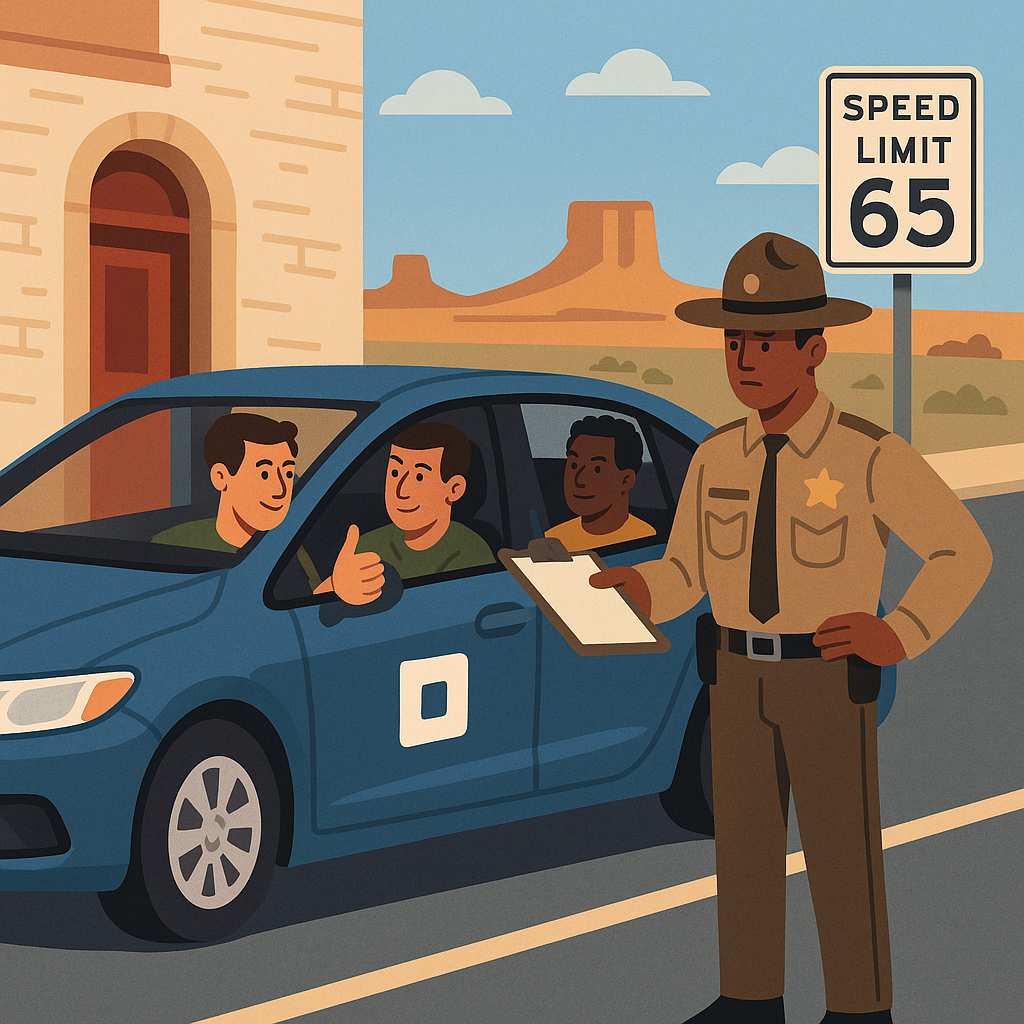
Utah Law on Sharing Rides as an Informal Uber
When casual paid rides become unlicensed rideshare — and the insurance risks Utah drivers face
Driving a friend or coworker is perfectly legal in Utah. But once you start charging strangers for rides outside of Uber, Lyft, or another licensed platform, you enter a risky area of law that can expose you to fines, denied insurance coverage, and personal liability. This guide explains when casual rides cross into “for-hire” territory, how Utah and insurers treat informal rideshare activity, and the safer alternatives if you want to earn money driving.
Carpooling vs. Informal Uber in Utah
Utah law and nearly all auto insurance companies draw a clear line between casual, unpaid carpooling and taking paid riders from the general public. When you simply split gas with coworkers or give a family member a lift, you are not operating a business. You are still using your car for personal, private purposes.
By contrast, when you begin charging people for rides in a way that looks like a rideshare service, Utah regulators and your insurer may treat you as if you are operating an unlicensed “for-hire” transportation service. That classification can dramatically change your legal obligations and your insurance coverage if an accident happens.
When Paid Rides Become Unlicensed Rideshare
There is no single magic phrase in Utah law that labels you an “informal Uber.” Instead, regulators and insurers look at your behavior. You are more likely to be treated as an unlicensed for-hire driver when:
- You charge strangers, not just friends or family. If you post online, respond to DMs from people you do not know, or let referrals send new riders your way, it starts to look like a public transportation service.
- You earn money beyond a true cost split. When your payments are clearly more than gas and tolls, they look like profit, not carpooling.
- You offer rides regularly. Running passengers multiple days a week, on weekends, or on a predictable schedule suggests a side business rather than a one-off favor.
- You advertise or promote your rides. Even casual posts like “DM me for cheap rides” or “I’ll give you a ride for $20” can be used as evidence that you are operating a for-hire service.
The more your activities resemble Uber or Lyft without actually using those platforms, the more likely you are to be viewed as an unlicensed rideshare operator under Utah’s regulatory and insurance framework.
Insurance Risks: When Your Policy Won’t Help
Even if you never hear from a Utah regulator, your biggest risk may be your own auto insurance. Most personal policies include a commercial-use or for-hire exclusion. That means your insurer can deny coverage if you were using your vehicle to transport people for pay at the time of a crash.
If an accident happens while you are running informal rides:
- Your insurer may deny claims for damage to your own vehicle.
- They may refuse to pay for passengers’ injuries.
- They may decline to defend you if someone sues you personally.
Once the claim file shows you were accepting money for rides, the “few extra dollars” you earned can evaporate against medical bills, property damage, and attorneys’ fees that you are left to handle out of pocket.
Accidents, Liability, and Utah Legal Exposure
When you are in an accident while driving informal riders for pay, several layers of risk appear at once. You can face:
- Personal injury claims from passengers. Riders may sue you for medical bills, lost wages, and pain and suffering if they are hurt.
- Claims from other drivers or pedestrians. Anyone injured in the crash may pursue you directly if insurance does not cover the loss.
- Property damage responsibility. You may be personally on the hook for vehicle and property damage if coverage is denied.
- Possible regulatory or criminal consequences. In more serious cases, operating as an unlicensed for-hire driver can draw regulatory attention or penalties on top of the civil exposure.
Utah’s rideshare and transportation rules exist to protect passengers, drivers, and the public. When you operate outside those systems, you lose the built-in protections that come with licensed rideshare platforms and their insurance frameworks.
Safer Alternatives for Utah Drivers
If you like the idea of earning money by driving, there are safer options than running an off-the-books rideshare.
- Use official rideshare platforms. Companies like Uber and Lyft have required background checks, insurance arrangements, and policies that help protect drivers and passengers. In many cases, special rideshare coverage applies when the app is on and you are on a trip.
- Use legitimate carpool or commute apps. Some services are designed for gas-splitting among coworkers or neighbors. They focus on cost-sharing instead of profit.
- Stick to true cost-sharing with people you know. If you are only covering gas with roommates, family, or coworkers and not advertising or profiting, you are much closer to ordinary personal use of your car.
The key is to avoid situations where it looks like you are running your own mini rideshare company without the legal and insurance structure that licensed platforms provide.
Quick Checklist Before You Offer a Paid Ride
Before you agree to take money for a ride in Utah, run through this quick checklist:
- Am I charging a stranger, not just a friend, family member, or coworker?
- Is this clearly more than splitting gas and tolls?
- Have I posted online or told people that I am “available” for rides?
- Have I been doing this on a repeated or semi-regular basis?
- Does my auto policy include any language about “for-hire” or “commercial” exclusions?
- Would I be financially exposed if my insurance company refused to cover a crash on this trip?
Video & Social Learning Hub
YouTube: Rideshare Law & Passenger Rights
Instagram: Ridesharing Risks & Safety
Need Help Applying This to Your Situation?
A few extra dollars from informal paid rides are not worth the risk of uncovered accidents, denied insurance claims, or unexpected legal penalties in Utah. If you have been in a crash while giving rides for pay, or you are unsure whether your side driving crosses into unlicensed rideshare territory, a Utah attorney can help you understand your options.
Talk to a Utah AttorneyFor more plain-English legal guidance, stay updated with Utah Law Explained, explore our mission on the About Us page, or connect with trusted counsel like Gibb Law Firm.