
Utah Property Law and New Water-Use Regulations
Plain-English guide to Utah water rights, property rules, and new conservation requirements.
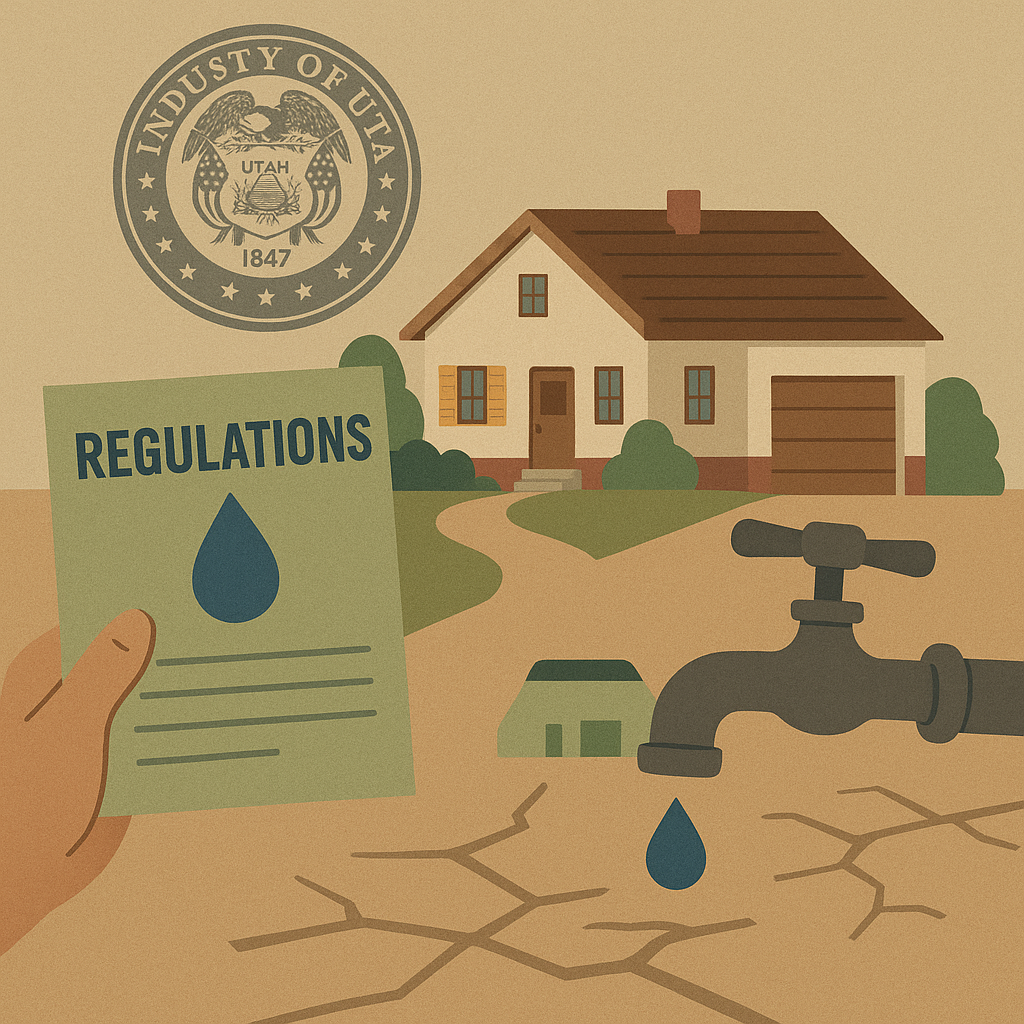
Utah is growing fast while facing one of the most severe long-term drought patterns in the West. That combination has pushed lawmakers, cities, HOAs, and state regulators to overhaul how property owners use, transfer, and conserve water. These changes affect nearly every type of property decision in the state, from installing sprinklers to transferring water rights during a sale.
Utah Law Explained breaks down what these rules mean, how they interact with property rights, and what Utahns need to know to stay compliant as the state moves toward a long-term conservation model.
Overview: How Property Law Intersects With Water-Use Rules
Water rights in Utah have always been legally separate from land ownership, but new regulations, conservation mandates, and municipal restrictions are tightening how those rights can be used. Property owners now have to think about water the same way they think about zoning or utility hookups.
This guide covers the major updates shaping the future of water use in Utah, including:
- New statewide water-allocation and usage rules
- HOA irrigation and landscaping restrictions
- Water-rights transfers in real estate sales
- Enforcement and oversight by Utah’s Division of Water Resources
New Water Allocation Rules in Utah
Utah has expanded local and regional authority to limit outdoor watering, set usage baselines, and require water-efficient landscaping in new developments. These rules generally fall into three categories:
These rules may affect homeowners, landlords, HOAs, and developers differently depending on local water-district guidelines and city conservation plans.
HOA and Community Irrigation Policies
HOAs across Utah are adopting stricter policies to comply with city and county conservation plans. Boards are being pushed to reduce decorative turf and bring irrigation systems in line with new water-use standards.
Common HOA and community changes include:
- Limits on turf grass in new or renovated yards
- Required conversion to drip systems in common areas
- Seasonal watering restrictions tied to municipal orders
- Fines or warnings for over-watering, visible runoff, or broken sprinklers
Under Utah law, HOAs generally have authority to enforce these rules as long as they do not conflict with local codes or state statutes. Homeowners should review both city ordinances and HOA governing documents before making major landscaping decisions.
Water-Rights Transfers in Utah Real Estate
A key point many buyers misunderstand: water rights do not automatically transfer with land in Utah. Instead, water must be specifically conveyed and documented.
A valid transfer usually requires:
- Written conveyance of the water right or water shares
- Recording with the county where the property or right is located
- Filing with the Utah Division of Water Rights when required
Recent regulatory updates encourage more transparency in real estate listings by pushing brokers and sellers to clearly disclose whether the property includes water rights, water shares, or access to irrigation companies. Buyers should confirm any claimed rights through official records, not just listing descriptions or verbal statements.
Enforcement by the Utah Division of Water Resources
The Division of Water Resources works with the Division of Water Rights and local water districts to ensure compliance with Utah’s water-use framework. Their authority continues to expand as conservation becomes a statewide priority.
In practice, this enforcement role can include:
- Audits of secondary-water usage and system efficiency
- Investigations into improper water diversions or unauthorized uses
- Oversight of conservation requirements for local governments and districts
- Coordination of large-scale water-supply and drought-response plans
Property owners who violate watering restrictions or operate without proper rights may face warnings, fines, or administrative actions depending on the severity and frequency of violations.
Quick Reference Sheet & Property-Type Impacts
Table: How the New Rules Affect Different Utah Property Types
| Property Type | Key Water-Use Impact | Notes |
|---|---|---|
| Single-Family Homes | Watering schedules, secondary-meter billing | Some cities restrict lawn size or require drought-tolerant landscaping in new builds. |
| HOAs | Turf limits, irrigation conversions, enforcement fines | Boards must align with city conservation plans and enforce rules consistently. |
| Farms / Large Acreage | Water-rights verification and transfer approvals | Agricultural water is often regulated separately and typically requires careful documentation. |
| Commercial Properties | Landscape-efficiency requirements | Some areas require low-flow fixtures, xeriscaping, or reduced decorative turf. |
| New Developments | Mandatory drought-friendly design | Projects may need city approval for water-supply impact before approval. |
Quick Reference Sheet: Utah Water-Use Rules at a Glance
- Water rights ≠ land ownership. Rights must be separately transferred and recorded.
- Cities can set strict watering limits. Schedules, seasonal bans, and metered billing are now common.
- Secondary water is increasingly metered. Expect usage-based billing instead of flat fees.
- HOAs must follow city conservation plans. Boards can fine members for noncompliance.
- Real estate sales must disclose water rights. Buyers should confirm any rights through official records.
- State enforcement is expanding. Divisions may investigate improper use or unlawful diversions.
YouTube & Instagram Educational Resources
YouTube: Utah Water Rights & Property
Need Help Applying Utah’s Water Rules to Your Property?
Utah property owners who follow the new water-use rules early will save money, avoid penalties, and protect the long-term value of their land. Water-efficient systems, smart irrigation, and informed decisions will increasingly define responsible Utah ownership.
Talk to a Utah AttorneyUtah Law Explained will continue tracking new water-use regulations so homeowners, developers, businesses, and communities can navigate the transition with confidence and clarity. For more plain-English legal guidance, stay updated with Utah Law Explained, explore our mission on the About Us page, or connect with trusted counsel like Gibb Law Firm.