Utah Law on Underage Drinking at House Parties
Plain-English guide to teen drinking laws, party host liability, police response, and license consequences in Utah.
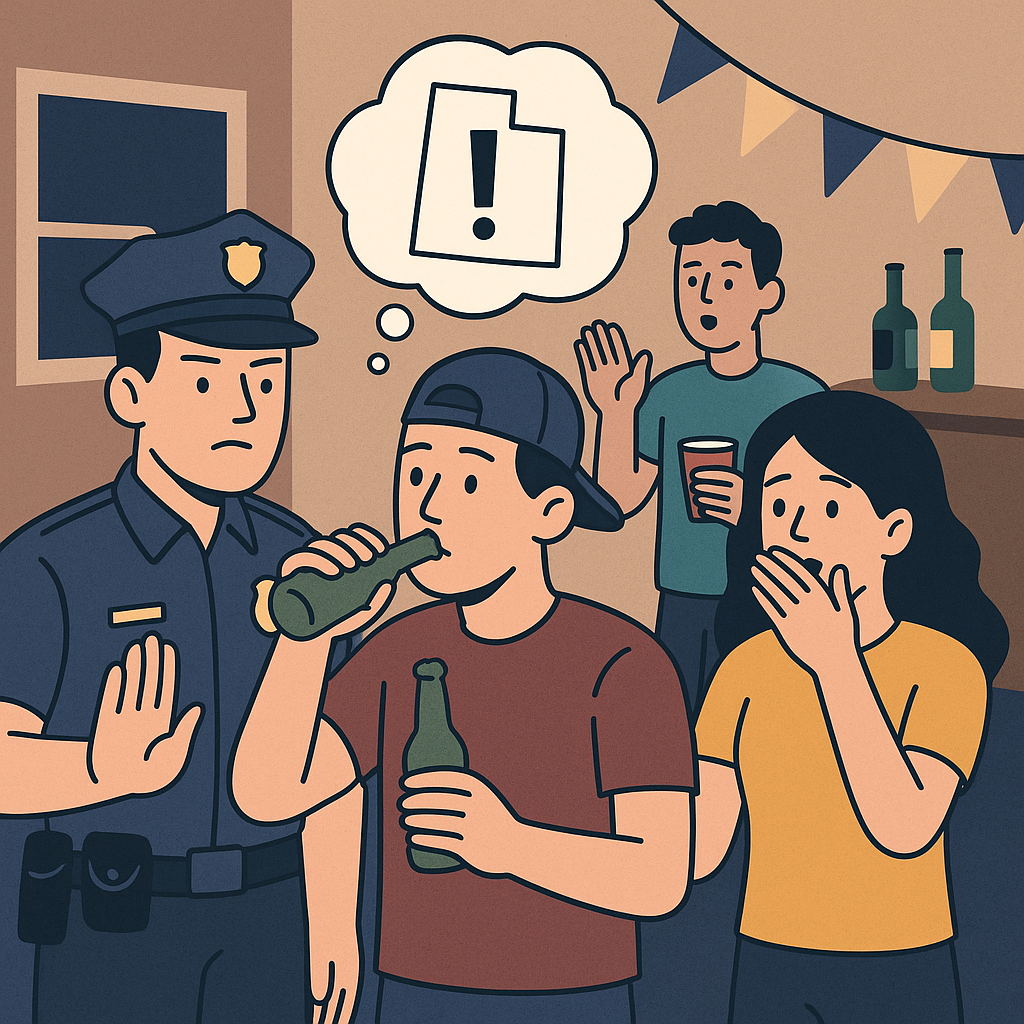
Underage drinking at house parties isn’t just a “teen issue” in Utah. State law puts real responsibility on both minors and adults whenever alcohol shows up at a gathering. A night that starts as a casual hangout can end in criminal charges, license suspensions, and serious financial fallout if underage drinking is involved.
This Utah Law Explained guide walks through how Utah’s underage drinking rules actually play out at house parties, when adults become “social hosts” under the law, what police look for when they respond, and how charges can impact a teenager’s driving record and future opportunities.
Overview: How Utah Treats Underage Drinking at Parties
Utah law is strict on alcohol and even stricter when it comes to minors. In most situations:
- Anyone under 21 is prohibited from possessing or consuming alcohol.
- Adults can be charged for providing alcohol to minors or allowing underage drinking on property they control.
- Police can act on noise complaints, tips, or social-media videos not just obvious emergencies.
House parties often blend all of these issues together. That means a single event can create criminal exposure for the teens who are drinking, the hosts who allowed it, and sometimes even parents who “looked the other way.”
Penalties for Minors & Driver License Consequences
A minor at a house party can be cited even if they never bought the alcohol themselves. Utah treats underage possession and consumption almost like a strict-liability offense , if the minor is caught with alcohol in their system or in their hands, intent usually doesn’t matter.
When Adults Become Liable as “Social Hosts”
Adults often assume the legal risk falls only on minors. In Utah, that’s not true. A “social host” can be any adult who provides alcohol, knowingly allows minors to drink, or permits their home or property to be used for underage drinking.
Adults can be exposed to criminal charges if they:
- Buy alcohol for minors or reimburse teens for alcohol purchases.
- Know alcohol is being served at a teen party and choose not to intervene.
- Let minors remain on the property while obviously intoxicated.
- “Supervise” but still allow underage drinking, thinking it’s safer that way.
Consequences for adults can include fines, misdemeanor convictions, and in serious cases, civil liability if someone is injured after drinking at the party.
How Police Respond & What Counts as Evidence
Underage drinking cases at house parties rarely come out of nowhere. Police are usually alerted by someone outside the party. Common triggers include:
- Noise complaints from neighbors or nearby residents.
- Reports of kids coming and going late at night or stumbling outside.
- Social-media posts or live streams showing teens with alcohol.
- Medical calls when a minor becomes sick or unresponsive.
Once officers respond, they may gather evidence such as:
- Statements from the host, minors, or neighbors.
- Visible alcohol containers and intoxication signs.
- Phone videos or public social-media posts showing the party.
- Breath tests or other field tests in certain situations.
If police confirm underage drinking, both minors and hosts can face charges even if no one was driving and no one ended up in the hospital.
Scenario Breakdown: Real-World Utah Situations
Looking at common patterns helps you see how Utah’s underage drinking rules actually apply.
- “Everyone Brought Their Own” Party. Teens show up with their own drinks. The minor can still be cited for possession, and the adult whose home is used can still be treated as a social host if they knew or should have known alcohol was present.
- Parent Thinks Supervision Makes It Legal. A parent believes allowing limited drinking “inside the house” is safer. In Utah, supervised drinking by minors is generally not a shield; the parent can still face charges for allowing it.
- Quiet Party, Loud on Social Media. No one calls the police during the party, but videos later surface showing minors drinking. Those videos can become evidence, and police can still investigate after the fact.
- Medical Emergency After the Party. A teen leaves a house party, gets sick at home, and is taken to the ER. Hospital staff may alert authorities, and investigators often trace back where the alcohol came from and who hosted.
The common thread across these scenarios is simple: if underage drinking happens, Utah law will focus on both the minors and the adults who created or tolerated the situation.
Common Mistakes & How to Reduce Risk
- Assuming “no car keys” means “no legal risk.” Even if no one drives, underage possession alone can lead to charges and license problems.
- Letting teens “just drink in the basement.” Allowing alcohol on the property still exposes adults to liability.
- Ignoring red flags. Large crowds, obvious intoxication, or kids you don’t know are all signals that the situation can quickly turn into a police matter.
- Posting everything online. Social-media photos and videos can later be used as evidence against minors and hosts.
Video & Social Learning Hub
YouTube: Underage Drinking & Utah Alcohol Laws
Instagram: Underage Drinking Enforcement in Utah
Need Help After an Underage Drinking Incident?
Utah’s underage drinking and social host rules can feel unforgiving, especially when a house party gets out of hand quickly. A Utah attorney can help you understand what charges mean, what defenses may exist, and how to protect a teen’s record and driving future.
Talk to a Utah AttorneyFor more plain-English legal guidance, stay updated with Utah Law Explained, explore our mission on the About Us page, or connect with trusted counsel like Gibb Law Firm.