
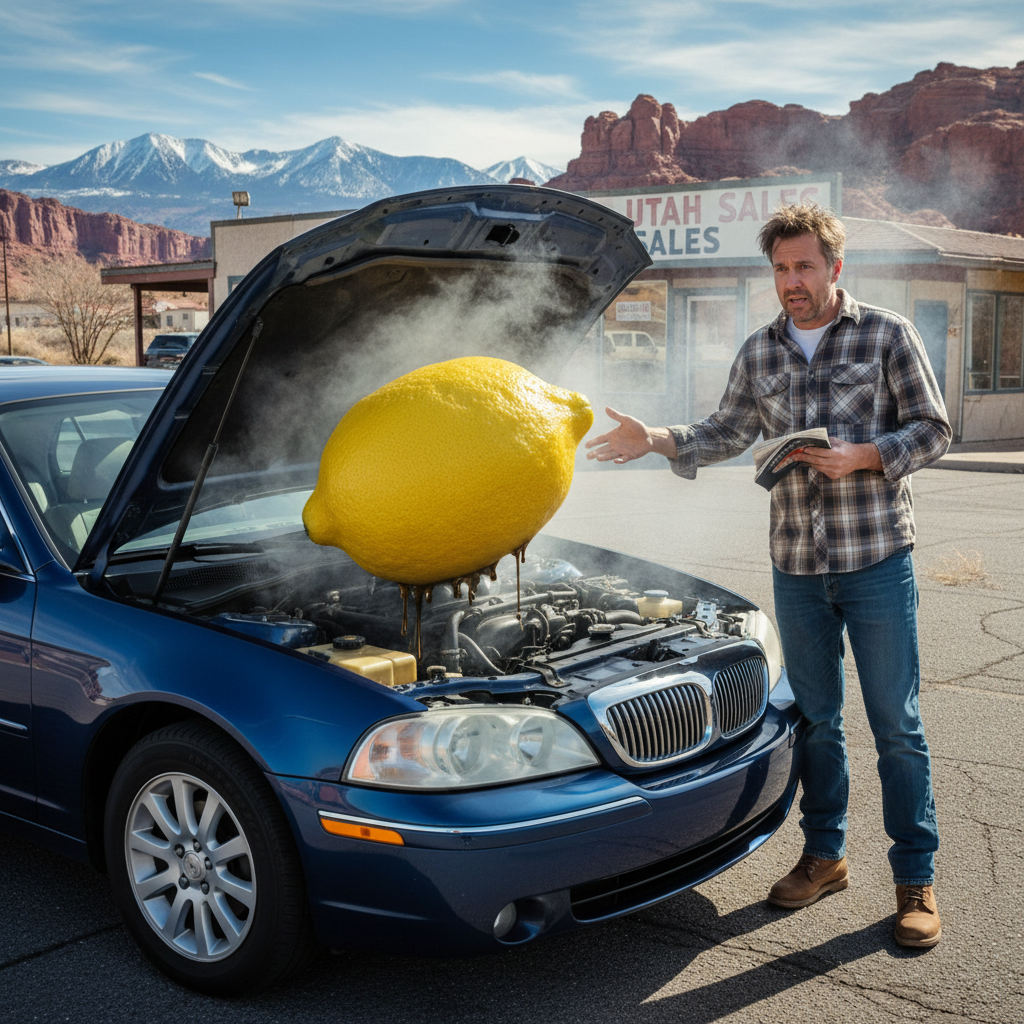
Have you bought a used car in Utah only to find it has major problems—maybe right after you drove it off the lot? Many Utahns worry about what rights they have or what steps they should take if they end up with a so-called “lemon.” This quick guide answers ten of the top questions about your options if your used car in Utah turns out to be more trouble than it’s worth.
Dealing with unexpected repairs and financial stress isn’t just frustrating—it’s a real problem for your family, work, and peace of mind. Luckily, Utah law has specific rules protecting buyers in certain situations (but also important exceptions). Here’s what you should know—and do—if you think you bought a lemon in the Beehive State.
What Does Utah Law Say About Used Car ‘Lemons’?
Utah’s Lemon Law, found in Utah Code Ann. § 13-20-1 et seq., mostly protects buyers of new vehicles. However, used car buyers do still have important protections under Utah’s Consumer Sales Practices Act (Utah Code Ann. § 13-11-1 et seq.) and the state’s rules against deceptive or unfair sales practices. If a dealer misrepresented the car’s history, hid defects, or failed to disclose a branded title, you may have grounds to take action.
Does the Utah Lemon Law Apply to Used Cars?
No, Utah’s Lemon Law only applies to new vehicles that develop major defects within the first year or 12,000 miles. If you bought used, these protections don’t cover you, but you may still have claims under fraud and deceptive-practices laws if the dealer misled you about the car’s condition or title.
- Dealers must disclose certain history, like salvage or rebuilt titles.
- If you bought a certified pre-owned (CPO) vehicle, written warranties or promises apply.
- Private sales are typically “as is”—but false statements still matter.
What Steps Should I Take If I Think I Bought a Lemon?
If you suspect you bought a lemon used car in Utah, act quickly:
- Gather your purchase paperwork, dealer disclosures, and any written warranties.
- Document all problems—dates, symptoms, repair bills, photos, and mechanic reports.
- Contact the dealer (in writing, if possible) to discuss your concerns and ask for repairs or a resolution.
- If you feel you were misled, file a complaint with the Utah Division of Consumer Protection.
- Consider talking to a Utah attorney who handles auto sales or consumer fraud cases.
Is There a Return Period or “Cooling Off” Rule in Utah?
Utah does not have a “cooling off” law for car purchases. Used car sales are generally final unless (1) you purchased a separate return guarantee, or (2) you can show fraud or misrepresentation by the dealership.
If you want to better understand Utah’s Lemon Law, this explainer video breaks down how the rules work—especially for used car buyers in Utah County and Salt Lake County.

Watch directly on YouTube — embedding disabled by owner.
This video gives an overview of Utah’s Lemon Law and what to expect if your car has major issues.
Top 10 Utah Used Car Lemon Law Questions—Answered
- 1. Can I return the car to the dealership? Not unless the dealer made a written guarantee or you can prove fraud.
- 2. Are all used cars “as is” in Utah? Most are “as is” unless a warranty is clearly provided in writing. Carefully read your contract!
- 3. What if the dealer didn’t disclose a salvage or rebuilt title? That’s illegal—dealers must disclose branded titles under Utah law. You may have a claim.
- 4. Can I sue the dealer? Yes, especially for fraud or violating the Consumer Sales Practices Act. You’ll need solid proof and documentation.
- 5. Where do I file complaints? With the Utah Division of Consumer Protection or Utah courts (small claims for lower amounts).
- 6. Do private sales include any warranty? Typically no—they’re usually fully “as is.” But misrepresentation or lying is still illegal.
- 7. What evidence do I need? Save all emails, repair records, photos, and communications with the seller or dealership.
- 8. What are my chances in small claims court? It depends on your evidence and whether the dealer violated the rules. Utah small claims courts (like those in Salt Lake City or Ogden) are designed for quick, lower-cost cases.
- 9. How much does it cost to fight a lemon case? Filing a small claims case in Utah is usually under $100, and you don’t need a lawyer (though it may help).
- 10. Are there specific forms for Utah car complaints? Yes—the Utah Division of Consumer Protection has a vehicle complaint form you can find here.
Tips for Utahns Who’ve Bought a Problem Used Car
- Get all promises in writing—verbal “warranties” are tough to enforce.
- Don’t wait—report issues and contact the dealer as soon as you notice a problem.
- For major value disputes or if you feel stuck, talk to a Utah attorney.
- Keep a notebook of every problem, call, or repair to strengthen your case.
This Utah-based attorney walks through key mistakes buyers make when trying to handle a lemon car on their own.
Watch for quick Utah-specific insights about your rights after a bad used car buy.
Common Mistakes Utahns Make with Used Car Lemons
- Failing to document issues or repairs, especially early on.
- Assuming you have a guarantee to return the car—there is rarely a legal right to return in Utah.
- Not contacting the Utah Division of Consumer Protection promptly.
- Relying on what the salesperson said, rather than what’s in your written contract.
The Final Word
If you end up with a lemon used car in Utah, the law offers some protections, but the process can be tricky. Get everything in writing, act fast, and know your options—Utah’s legal system is on your side if you have clear evidence of fraud or undisclosed problems. For tailored guidance, speak with a Utah car-sales or consumer protection attorney.
For more plain-English Utah legal explainers, visit Utah Law Explained or check out our About Us page.