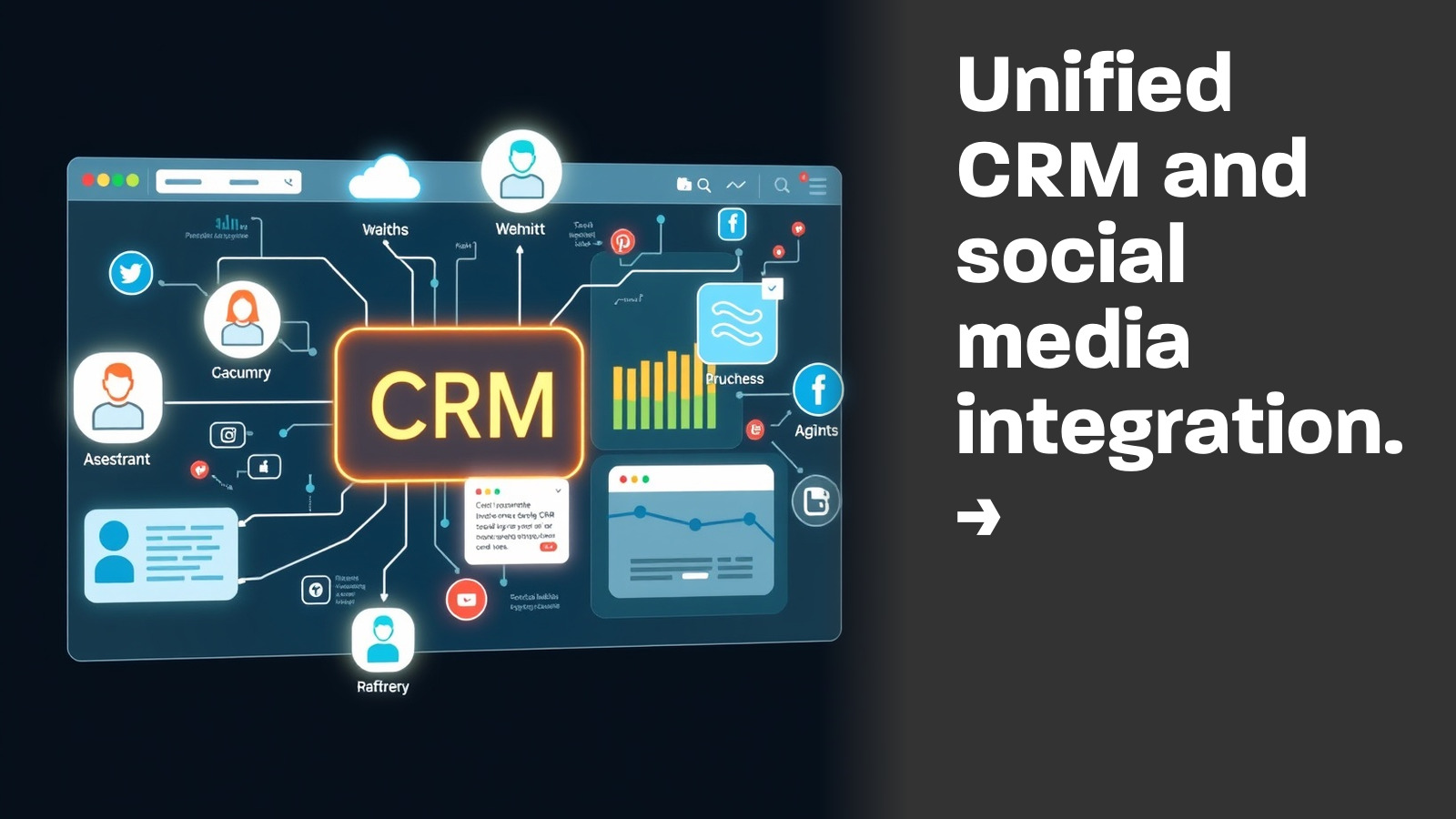
In today’s dynamic digital landscape, customer relationship management (CRM) is no longer just about storing contact details; it’s a strategic engine that fuels growth for modern businesses. One of the most transformative trends is the unified integration of CRM systems with social media marketing automation. Platforms like Rocket CRM are now enhancing their frameworks to seamlessly blend traditional CRM functionalities with social media engagement features. This unified approach enables businesses to consolidate customer data while simultaneously triggering automated workflows from social interactions. For example, a comment on a social media post or a direct message can automatically update a customer’s profile and initiate a timely response workflow, ensuring that no opportunity for engagement is missed. Businesses benefit from such integration through enhanced responsiveness, minimized silos between marketing and sales teams, and streamlined processes that bolster overall customer experience. By converging multiple communication channels into one cohesive system, organizations can build a more complete picture of the customer journey. Innovative updates emphasize not only data collection but also real-time interaction, ensuring that the touchpoints across digital channels feed into a single integrated pipeline. The result is a system that not only supports operational efficiency but also fuels strategic decision-making, enabling marketers to craft focused, personalized messages that resonate deeply with their target audiences.
As digital interactions grow across various channels, real-time data synchronization and workflow automation have become pivotal in modern CRM solutions. The latest platform enhancements—exemplified by Rocket CRM’s update—highlight a shift towards automating routine interactions across email, social media, and web forms. Real-time data integration ensures that customer records remain current regardless of the engagement channel used. This continuous synchronization not only reduces manual errors but also enables businesses to provide a swift and consistent customer experience. In practice, when a customer engages via social media, the CRM is immediately updated; follow-up actions are automated based on preset workflows that can range from lead assignment to scheduling a call or sending targeted communication. The visual workflow builders and improved conditional logic allow marketing and sales teams to design multi-step processes that react dynamically to customer behavior. Consequently, the automation framework minimizes administrative tasks and liberates valuable resources, allowing teams to focus on higher-level strategy and creative engagement. With enhanced monitoring capabilities and automated alerts based on social media triggers, businesses can address inquiries promptly and manage their reputation effectively. This transformation underscores the strategic value of integrating automation into CRM systems—streamlining operations to deliver a more cohesive, efficient, and customer-centric approach that drives growth and increases competitive advantage.
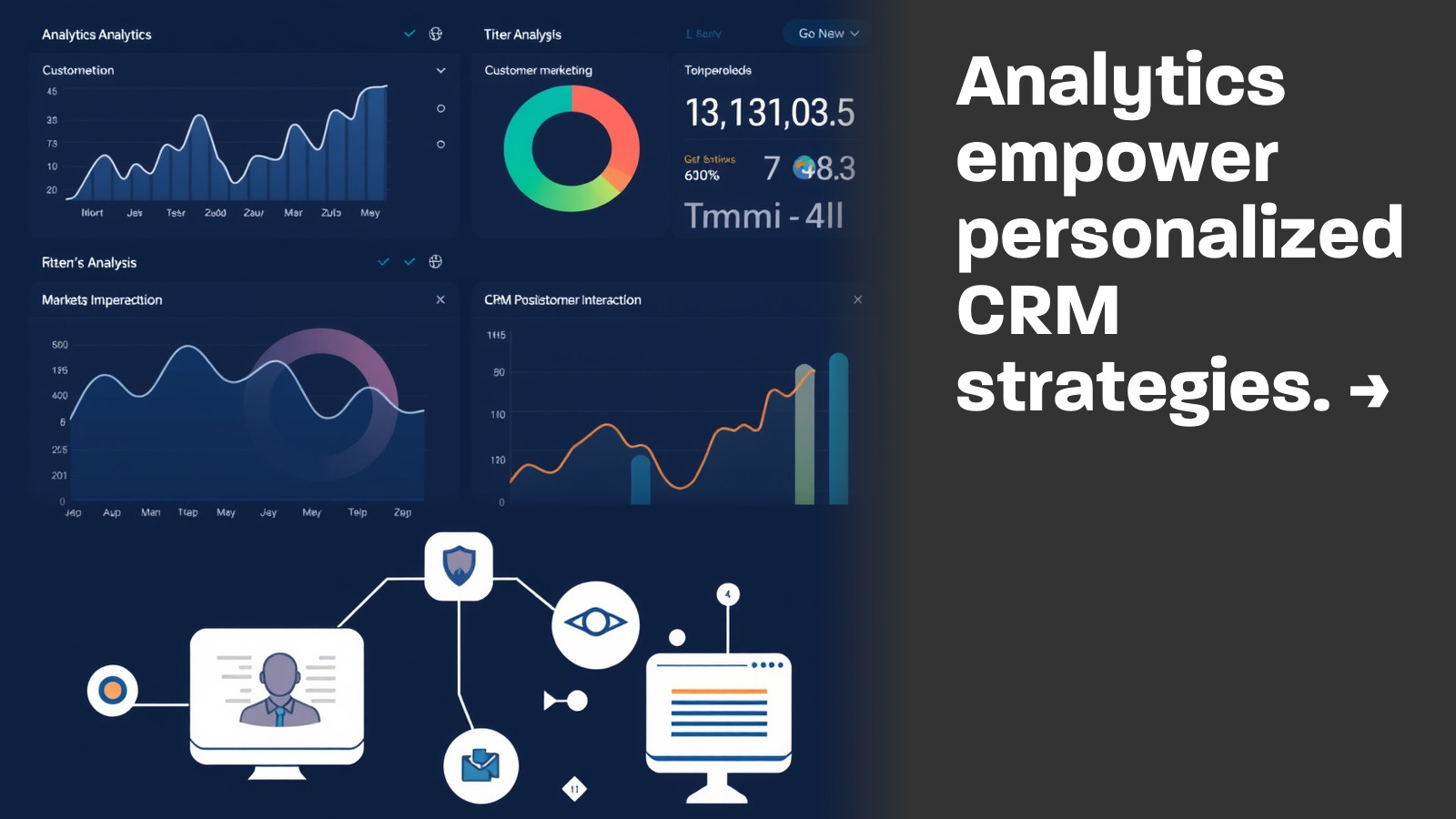
Another compelling trend in CRM enhancements is the growing emphasis on analytics and personalization powered by advanced data integrations. Modern CRM solutions now incorporate robust analytics modules that track interactions across multiple channels, enabling marketers to measure the impact of campaigns beyond basic likes or shares. Analytics tools merge metrics from social media engagements, email campaigns, and direct customer interactions to deliver a far more comprehensive view of customer behavior. This integration facilitates a high level of personalization, where communication is tailored based on not only demographic data but also behavioral signals gleaned from varied touchpoints. For instance, when a customer engages with relevant content on social media, the system can trigger a series of personalized follow-up actions—automatically generating targeted messages that mirror the customer’s interests. This data-driven approach empowers businesses to adjust campaigns in real time based on performance trends and customer feedback. As industries continue to leap into the era of big data, these insights become invaluable for fine-tuning marketing strategies and enhancing customer journey mapping. The synthesis of analytics with CRM not only provides granular visibility into campaign ROI but also assists in identifying new opportunities, ensuring that every customer interaction is leveraged to its fullest potential. It is the convergence of advanced analytics and CRM integrations that is redefining the future of digital marketing, fostering a more adaptive, insightful, and customer-focused strategy in an increasingly competitive marketplace.
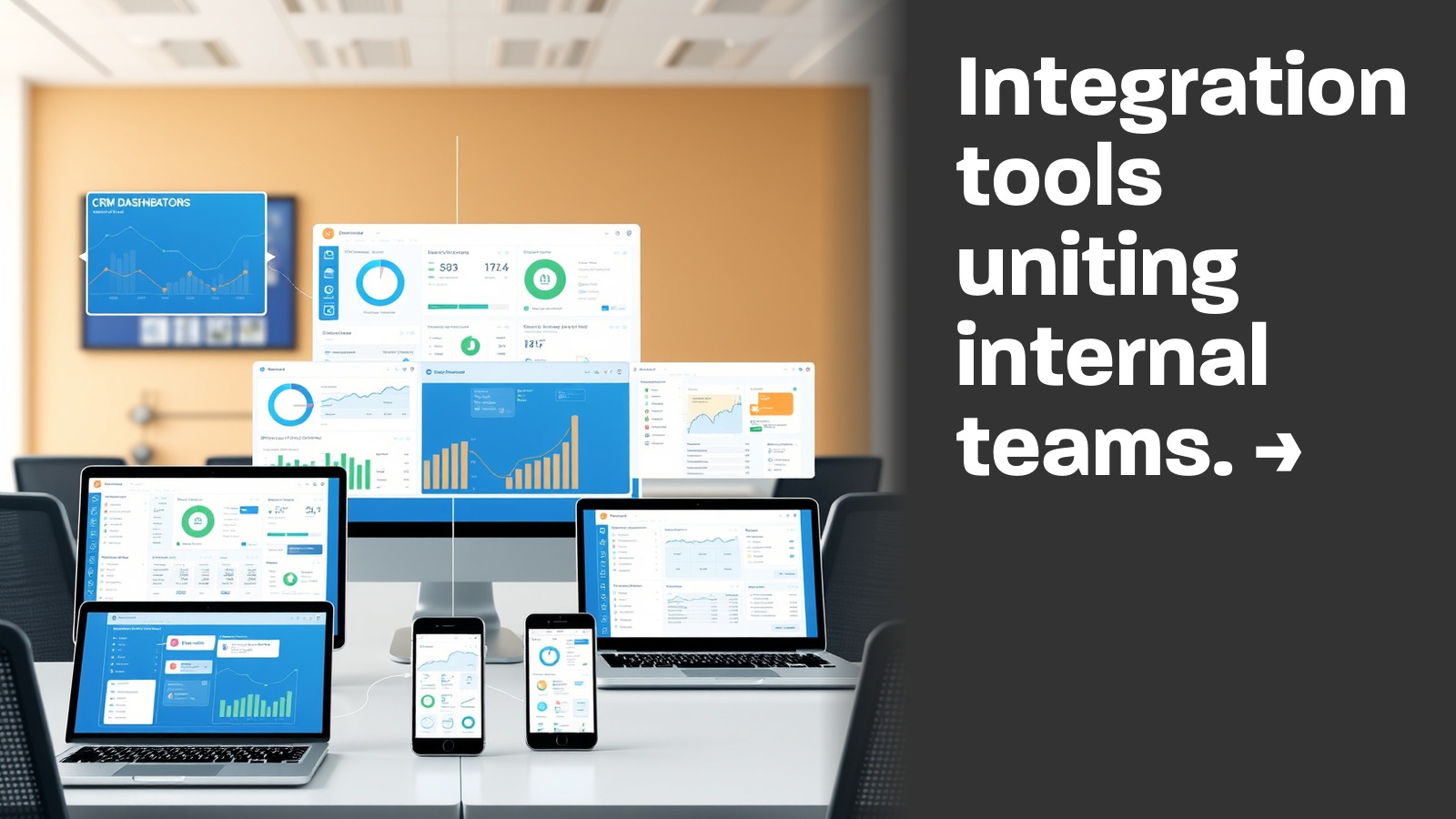
Internal collaboration and cross-platform integration have become essential components of a modern CRM ecosystem. Businesses are no longer operating in isolated silos; instead, they are relying on integrations that connect CRM systems with various communication tools, accounting software, and third-party applications. These integrations help centralize data and foster seamless communication across sales, customer support, and marketing teams. For example, linking CRM records with accounting platforms like QuickBooks or Xero enables real-time updates on customer transactions and billing information, ensuring that all departments work from a single source of truth. Furthermore, integrations with collaboration tools such as Zoom, Microsoft Teams, and Slack enhance internal communication by allowing teams to quickly share insights and coordinate actions based on customer activities. The power of these integrations lies in their ability to drive efficiency and consistency across the entire customer lifecycle. With native integrations available from many CRM vendors—as well as customizable connections enabled by APIs and platforms like Zapier—businesses can tailor their systems to meet specific operational needs. Such flexibility not only reduces the manual effort required to manage disparate systems but also enhances the overall customer experience by ensuring that every interaction is informed by comprehensive, up-to-date data. This unified approach not only streamlines internal workflows but ultimately accelerates the delivery of services, ensuring that customers receive timely and relevant communications that reflect a holistic understanding of their needs.
Looking ahead, the future of CRM integrations points to even more sophisticated technologies and smarter automation ecosystems. The continuous evolution in customer relationship management is driving a convergence of AI, machine learning, and deeper API integrations that promise to further transform how businesses engage with their audiences. Emerging trends indicate that CRM platforms will become even more intuitive, offering proactive insights and automated decision-making support that anticipates customer needs before they arise. In addition, as digital marketing becomes increasingly central to business growth, brands will need to ensure that their CRM systems not only integrate with traditional data sources but also adapt dynamically to new communication channels and shifting consumer behaviors. The focus will increasingly be on creating a truly omnichannel experience where every interaction, whether it happens on social media or through direct email campaigns, feeds into a seamless narrative that enriches the customer journey. Moreover, the role of CRM as a strategic tool will expand as predictive analytics and real-time data processing become standard, enabling more personalized, efficient, and impactful customer engagements. For digital marketing firms like Geeks for Growth, staying ahead of these trends is essential for turning every customer interaction into a measurable growth opportunity. The fusion of advanced technology with creative strategy is set to redefine how businesses build relationships, drive revenue, and deliver superior customer experiences—ultimately turning their CRM systems into powerful growth engines.