
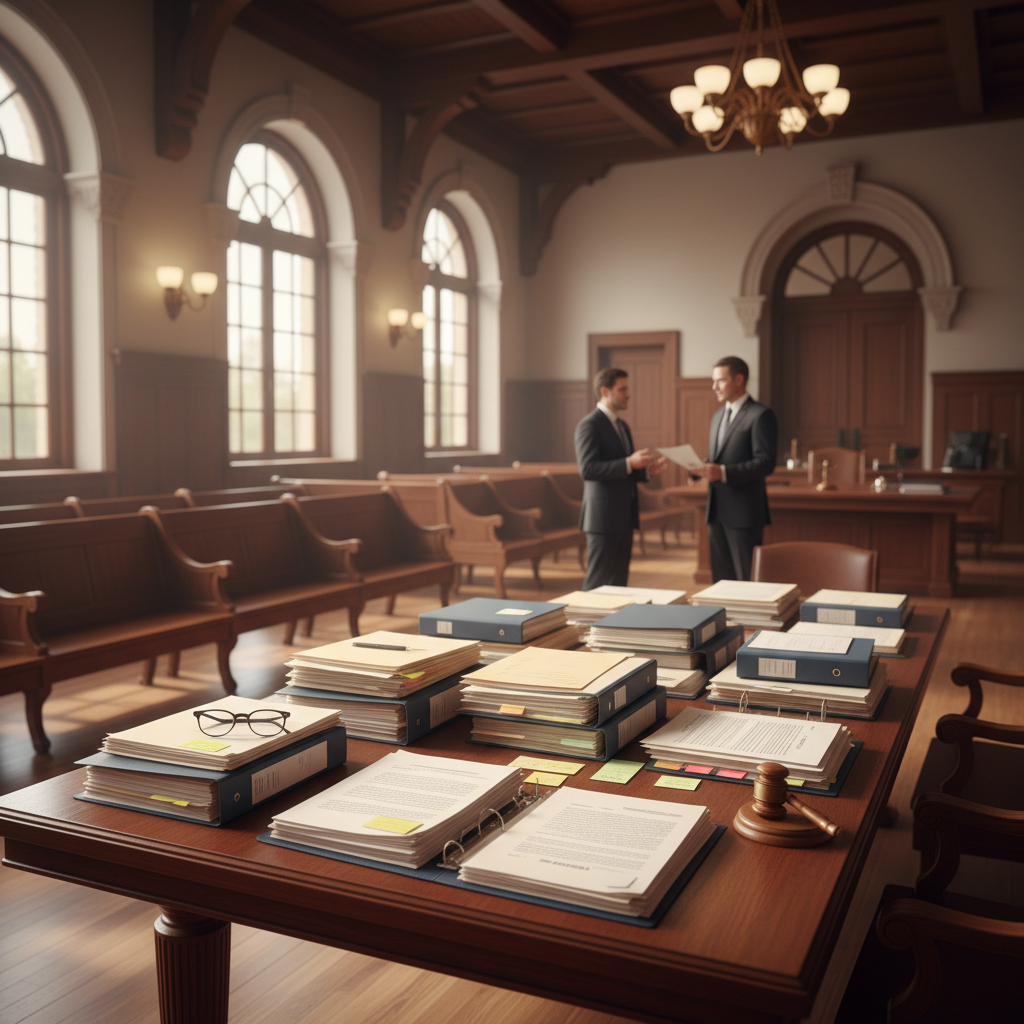
Utah Rule 26 disclosures and the discovery process can sound intimidating if you’re not used to dealing with the courts. But for anyone pursuing (or defending) a lawsuit in Utah, understanding what Rule 26 requires—and how to comply—is critical. Whether you’re in Salt Lake, Provo, Ogden, or any local county court, the rules are similar and not as complicated as you might fear.
If you’re facing court for the first time, or just trying to get through the early parts of a Utah lawsuit, this guide will walk you through the essentials. We’ll demystify what Rule 26 means, how the process actually works in Utah, what paperwork and timing are involved, and how to avoid common missteps that trip up Utahns every year.
What Is Utah Rule 26 and Why Does It Matter?
Utah Rule of Civil Procedure 26 (Utah R. Civ. P. 26) governs the disclosures and discovery in most civil (non-criminal) lawsuits in Utah. “Discovery” is the phase of a lawsuit where both sides exchange information and evidence, so there are no surprises at trial. Rule 26 lays out what each side must share up front (disclosures), timelines, and the limits of what can be requested or required. If you’re involved in a dispute in Utah’s state courts, this rule sets the ground rules for information sharing and fairness.
FAQ: Answering Utah’s Top 10 Rule 26 Disclosure & Discovery Questions
1. What does Rule 26 require me to disclose in Utah?
Rule 26 requires that you automatically provide certain information to the other side without being asked. This includes a list of witnesses you might use, copies of documents you plan to rely on, and calculation of damages if you’re claiming money.
2. When are initial disclosures due?
In Utah district court, initial disclosures are typically due 14 days after the first pretrial conference or the filing of the first answer (see Rule 26(d)). Always check the scheduling order from the judge, as dates may vary by county (Salt Lake, Utah County, Weber County, etc.).
3. What types of cases does Rule 26 apply to?
Rule 26 applies to most civil lawsuits in Utah’s state courts—including contract disputes, personal injury lawsuits, business litigation, and more. Some exceptions exist for domestic cases, simple debt collections, and small claims court (which has its own rules).
4. What’s the difference between disclosures and discovery?
Disclosures: Information you must provide automatically (witnesses, documents).
Discovery: Additional information you request from the other side—such as written questions, document requests, or depositions.
5. What forms do I need for Utah Rule 26 disclosure?
There is no mandatory statewide form, but many Utahns use the court’s sample “Initial Disclosures” document. Templates are available from the Utah State Courts or your local county court’s website.
6. How long does discovery usually last in Utah?
Discovery timelines depend on case type and “tier” (amount in controversy), as outlined in Rule 26(c). Discovery usually ranges from 120 to 210 days after initial disclosures, but always check your scheduling order.
7. What happens if I miss the disclosure deadline?
If you miss a deadline, the judge can exclude your witnesses or documents at trial, or even impose penalties. If you need an extension, you must ask the court or stipulate with the other side, ideally before the deadline passes.
8. What are “tiers” in Utah discovery?
Utah assigns cases to “Tiers 1, 2, or 3” based on money at stake. Tier 1 (up to $50,000), Tier 2 (up to $300,000), Tier 3 (over $300,000). Each has different limits on discovery and deadlines, spelled out in Rule 26(c)(3).
9. Can discovery be changed by agreement?
Yes—Utah law allows parties to agree to shorter or longer deadlines or limited discovery as long as the court approves.
10. What if the other side won’t share information?
If the other side won’t participate in discovery, you can file a “motion to compel.” Judges in Utah (like those in Davis or Cache Counties) regularly deal with these situations and can order compliance or sanctions.
Utah Discovery in Action: Real-World Insights
To see how the discovery process is discussed in Utah, take a look at this expert-led session from a recent Utah Law Review event, which covers practical challenges and best practices local lawyers see in Utah cases.

Watch directly on YouTube — embedding disabled by owner.
This recent panel analyzes Utah’s approach to discovery and Rule 26 disclosures from a local attorney perspective.
Step-by-Step: How to Make Rule 26 Disclosures in Utah
- Read the judge’s scheduling order for deadlines.
- Prepare your “Initial Disclosures”—include all witnesses, key documents, and damages claims.
- Serve your disclosures on the other side (not filed with the court unless required).
- Start the formal discovery process: requests for documents, written questions, depositions if needed.
- Respond to discovery requests truthfully and on time.
For even more context, here’s a second panel from the Utah Law Review spotlighting additional local commentary on what good (and bad) discovery practice looks like in Utah courtrooms.

Watch directly on YouTube — embedding disabled by owner.
Utah practitioners discuss disclosure timing, common problems, and how judges enforce Rule 26 compliance.
Common Pitfalls in Utah Rule 26 Discovery
- Forgetting to update or supplement disclosures—especially if new evidence surfaces right before trial (commonly seen in Salt Lake and Utah Counties).
- Missing the correct deadline because of confusion about the “tier” assignment in your case.
- Failing to actually share all supporting documents, thinking the other side “already has them.” Courts in Weber and Davis County see this mistake often.
Here’s a quick-hit Instagram Reel where a Utah lawyer answers rapid-fire discovery questions, helping you spot (and avoid) rookie errors:
This Utah attorney highlights top Rule 26 mistakes Utahns make—don’t be one of them!
The Final Word
Utah’s Rule 26 is designed to keep civil lawsuits fair and efficient—if you know the timelines, forms, and your responsibilities. Give yourself the best shot at success by reading your local court’s orders, being honest in your disclosures, and staying aware of deadlines no matter which county you’re in. As always, Utah Law Explained provides legal information, not legal advice. If you have questions about your specific case, consult a Utah-licensed attorney.
Keep exploring more helpful explainers at Utah Law Explained or learn more about us here.