
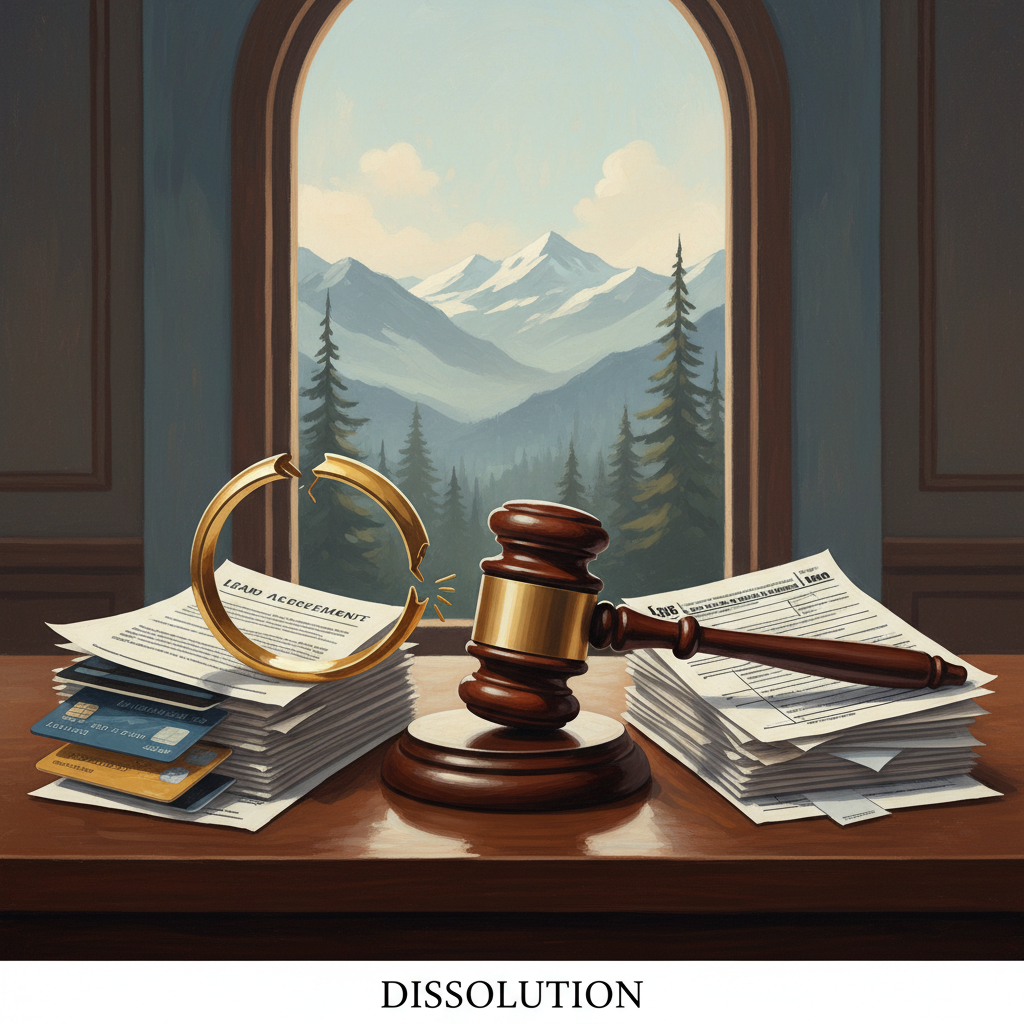
Understanding how marital debt gets divided in Utah can make a big difference for anyone facing divorce or separation here. Many people fear being stuck with their spouse’s credit cards or loan balances. But do the courts really treat all debt equally? Or are there common misconceptions Utahns should watch out for?
The reality is, sharing debt after a marriage ends can cause real stress for Utah families. Whether you’re worried about credit cards, car loans, or back taxes, knowing the rules—and the myths—helps you make smart decisions at every step.
Myth vs Fact: How Utah Law Treats Marital Debt
Myth: Every Debt Is Split 50/50 in Utah
Fact: While Utah is an “equitable distribution” state, the court aims for a fair (not necessarily equal) split. Debts acquired during marriage—like joint credit cards or loans—are usually divided, but the judge considers many factors, including each spouse’s contributions, who benefited from the debt, and ability to pay. See Utah Code Ann. § 30-3-5.
Myth: Only Joint Debts Matter in Divorce
Fact: Even debts in one spouse’s name can be considered marital if incurred for the benefit of the marriage or family. That includes credit cards, car loans, and certain tax debt, as long as the debt supported the household.
Myth: Student Loans Are Always Kept Separate
Fact: A judge can assign repayment of student loans to either or both spouses, especially if the education benefited both, increased the household income, or if one spouse relied on the other to help pay.
Utah Tip: Judges in Salt Lake and Utah County courts often want to see a complete breakdown of each debt, who signed for it, and whether it helped the family. Gathering organized statements and documents is essential.
Utah family law attorneys talk about the confusion around dividing both marital assets and marital debts. Let’s take a closer look at what really happens in local courts.

Watch directly on YouTube — embedding disabled by owner.
This video dives into how Utah courts examine both assets and debts during divorce, busting a few myths along the way.
How Utah Courts Divide Debts: The Real Process
When a couple files for divorce in Utah, they’ll be required to list all debts and assets on their Financial Declaration forms (Utah Code Ann. § 30-3-5.5). This includes all obligations—from major loans to credit cards and tax balances. The court typically follows these steps:
- Identify marital vs. separate debts: Debts acquired during the marriage are presumed marital. Those acquired before (or after) are usually separate.
- Review who benefited and ability to pay: Judges look at who used the money or credit, who can realistically pay the obligation, and any circumstances that may be unfair to split equally.
- Consider written agreements: If couples sign a valid prenuptial or postnuptial agreement, courts often enforce it about debt division—unless unfair.
- Issue a divorce decree: The court’s final order shows who is assigned to pay each debt, becoming legally binding in counties like Davis, Weber, and Cache.
Utah attorneys often warn about the importance of documenting all debts, even if just in one person’s name. Here’s what a Utah divorce lawyer says about approaching these tough conversations when dividing marital responsibilities.
This reel highlights how Utahns can better communicate with their legal team and avoid costly debt-related misunderstandings in divorce.
Common Mistakes Utahns Make (And How to Avoid Them)
- Assuming debts will disappear: Just because the divorce decree assigns a debt does not mean creditors can’t collect from both people if both names are on the account.
- Failing to update creditors: Many Utahns neglect to notify banks or lenders, leading to credit dings if an ex-spouse doesn’t pay.
- Overlooking new charges: Continuing to use joint credit cards during separation can complicate who owes what, especially in Salt Lake and Provo.
- Forgetting tax debt: The IRS and Utah State Tax Commission do not have to honor your divorce order; check how liabilities are titled before filing.
The Final Word
Dividing marital debt isn’t always simple in Utah—myths and misunderstandings are everywhere. By knowing state law, preparing paperwork, and communicating early, you protect your finances and credit. For guidance tailored to your situation, talk with a licensed Utah divorce lawyer before agreeing to any settlement. For more plain-English Utah legal explainers, visit Utah Law Explained or our About Us page.