
Protective Orders in Utah: What Happens After You File (or Receive) One
Plain-English steps on temporary vs. long-term orders, hearings, enforcement, and impacts.
When emotions and safety concerns collide, Utah’s protective order system becomes a critical legal shield. Whether you filed one for protection or just received one against you, understanding what comes next is essential. This guide breaks down the post-filing process step by step so you know what to expect from temporary protection to court hearings and enforcement measures.
Protective orders in Utah are serious legal actions designed to prevent harm, intimidation, or harassment. They are not permanent at first but can become long-term depending on what happens in court. Here’s how the process works once a protective order is in motion.
Step 1: Temporary Protective Orders Take Immediate Effect
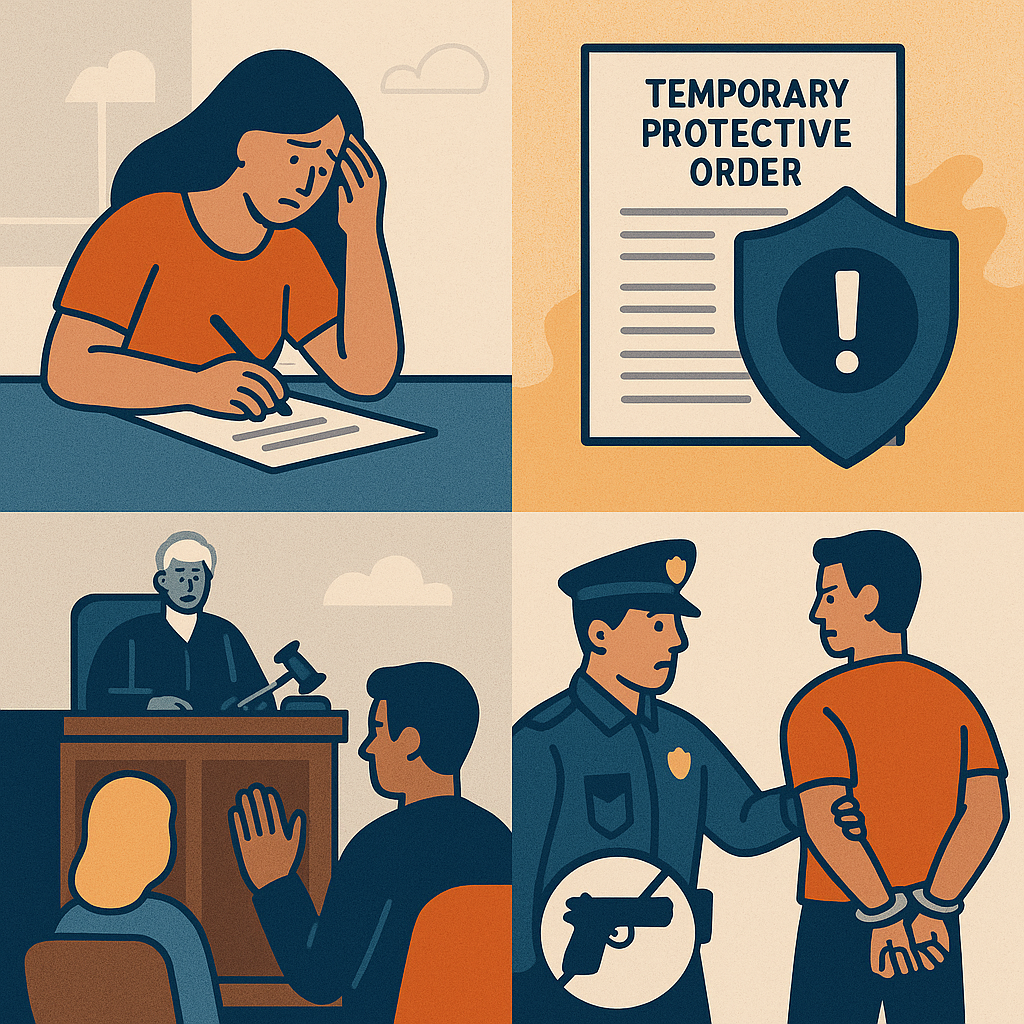
When a judge grants a temporary protective order (TPO), it becomes active right away, often within hours. The order is typically issued ex parte, meaning without the other party present, based on immediate safety concerns.
The temporary order remains in place until the court holds a hearing, which usually occurs within 20 days. During this time, the respondent must follow all conditions, including avoiding contact, leaving shared residences, or surrendering firearms if ordered.
If the order is violated during this phase, law enforcement can immediately arrest the violator and the court can impose penalties, including contempt charges.
Step 2: The Hearing Determines if It Becomes Permanent
The next step is a court hearing the defining moment for both sides. At this hearing, the judge listens to evidence from both the petitioner and the respondent.
If the judge finds sufficient evidence of abuse, threats, or harassment, the temporary order becomes a permanent protective order, which can last indefinitely or until modified by the court.
If there is not enough evidence, the order may be dismissed. Either way, attending the hearing is crucial. Failing to appear often means losing your opportunity to present your side.
Step 3: Enforcement and Consequences for Violations
Protective orders are enforceable by every law enforcement agency in Utah. Violating a protective order is a criminal offense not just a civil infraction.
Violations may result in:
- Arrest without warrant
- Jail time or probation
- Additional restrictions or extensions of the order
If the respondent disobeys the order’s terms, the petitioner should contact the police immediately. Courts take violations seriously, especially repeated or violent ones.
Step 4: Impact on Child Custody and Firearm Rights
Protective orders can have far-reaching effects beyond personal contact restrictions.
Child Custody: Courts may restrict or supervise visitation if the order involves family or domestic relationships. The order can temporarily change custody arrangements to protect children.
Firearms: Respondents may be required to surrender any firearms while the order is in effect. Under federal law, possessing a gun with an active protective order can lead to federal charges.
Understanding these implications early helps both parties avoid unintended violations and plan for long-term family and legal arrangements.
Step 5: Modifying or Dismissing a Protective Order
Once issued, either party can ask the court to modify or dismiss the order—but only after showing a substantial change in circumstances.
Examples include:
- No further contact or threats for an extended period
- Successful counseling or rehabilitation
- Mutual agreement and court approval
The court’s main concern remains public safety, so any modification must ensure continued protection for the petitioner.
YouTube & Instagram Highlights
YouTube Resources
Next Steps: Stay Informed and Protected
Understanding what happens after filing or receiving a protective order is the first step toward safety, fairness, and compliance. Whether you’re seeking protection or responding to an order, staying informed helps you make better choices and avoid mistakes that could affect your future.
Talk to a Utah AttorneyUtah Law Explained exists to make these processes clearer — helping Utah residents protect their rights while staying grounded in real legal procedures. Learn more at Utah Law Explained, explore our mission on the About Us page, or connect with trusted counsel like Gibb Law Firm.