
When Utah Charges Can Be Reduced or Dismissed Role of Plea Negotiations and Prosecutor Discretion
Plain-English guide to plea bargaining, diversion, prosecutor discretion, and when charges get reduced or dismissed
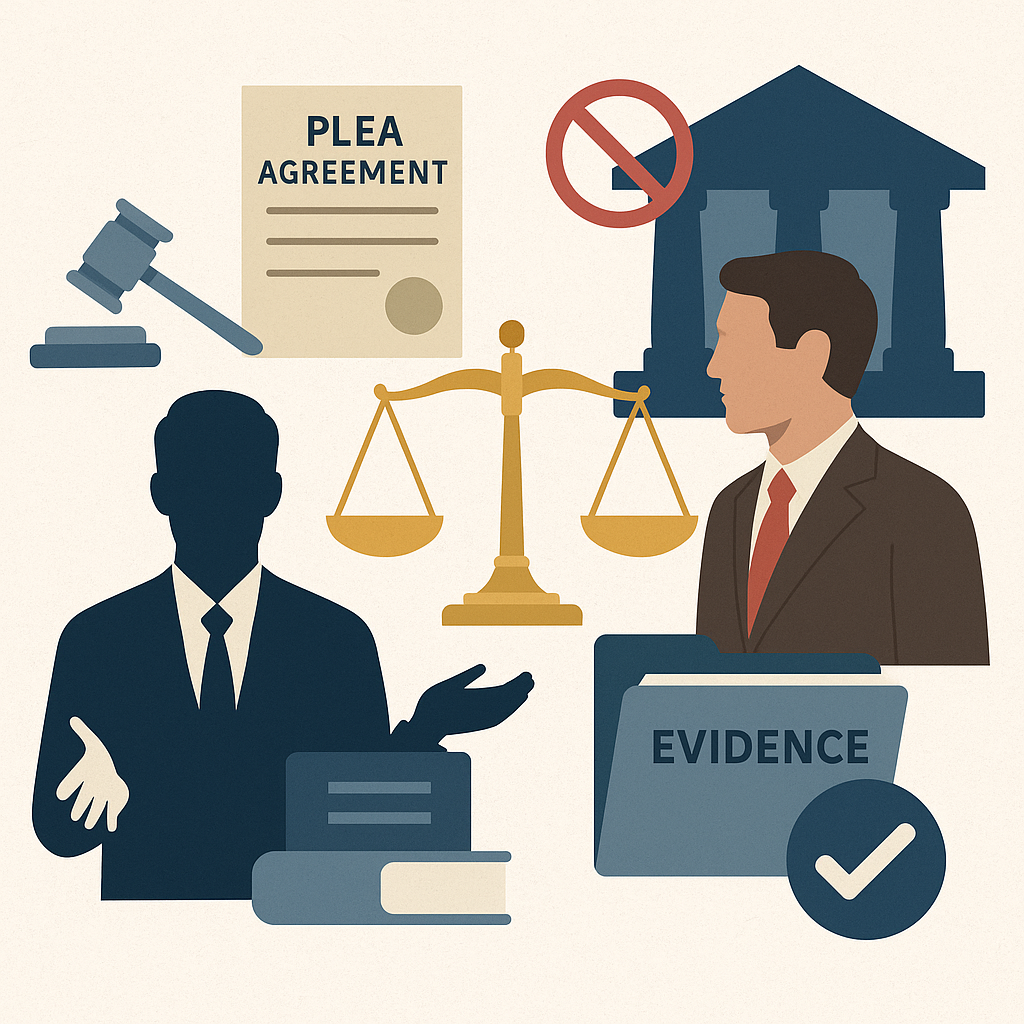
Not every criminal case in Utah ends in a conviction. Many defendants see charges reduced or dismissed through plea negotiations, diversion programs, or a prosecutor’s discretion. This guide explains how that process works in Utah courts, what factors influence a plea offer, and what to know before deciding.
When prosecutors believe a reduced charge better fits the facts or that justice is served by giving someone a second chance, they can agree to amend or dismiss charges. Defense attorneys often work with them to reach a balanced outcome that conserves court resources and avoids trial uncertainty.
How Plea Bargaining Works in Utah Courts
A plea bargain is an agreement where a defendant pleads guilty or no contest to a lesser charge or fewer counts in exchange for a lighter sentence or dismissal of certain charges. In Utah, most criminal cases resolve through plea talks rather than trials. Negotiations usually happen between the prosecutor and defense counsel across multiple appearances.
The Utah Rules of Criminal Procedure, Rule 11, set the standards for entering pleas and the judge’s review. Judges have the final say and may accept or reject a deal, but they typically defer to agreements that are fair, lawful, and supported by facts.
Common Charge Reductions & Dismissals
Role of Prosecutor and Judge
Prosecutors have broad discretion to file, amend, or dismiss charges based on the evidence and public interest. Their goal is not only convictions but justice and efficiency. They may dismiss weaker cases when witnesses recant, evidence weakens, or the defendant has addressed harm through restitution or diversion.
Judges must ensure pleas are voluntary and fair. A judge may reject an agreement if it is not supported by facts or law, but judges rarely modify negotiated deals unless they seem unjust or unlawful.
Diversion & Treatment Programs That Can Lead to Dismissal
- Drug Court / Mental Health Court – Treatment, counseling, and supervision. Successful completion can reduce or dismiss charges.
- Domestic Violence Intervention – Counseling and restitution can support dismissal for certain misdemeanors.
- Plea in Abeyance – The court accepts a plea but postpones sentencing. If terms are met within the agreed period, the case is dismissed.
These programs prioritize rehabilitation and reduced recidivism over punishment when appropriate.
Factors That Influence Plea Offers
- Strength of Evidence – Weaker or conflicting evidence usually leads to better offers.
- Defendant Cooperation – Restitution, counseling, or assistance can improve terms.
- Criminal History – First-time offenders often receive more lenient offers.
- Victim Input – Victims’ views can affect reductions or dismissals.
- System Efficiency – Courts value negotiated resolutions to reduce backlogs.
Approaches can vary by county and office, but the core principles are similar statewide.
Risks of Rejecting a Plea or Going to Trial
Rejecting a plea can carry risk. Trials are unpredictable, and a conviction can bring harsher penalties than the original offer. Early diversion or reduction options may also disappear later. Still, not all pleas are worth taking. If evidence is weak or rights were violated, trial may be the better choice. Always decide with counsel.
Related Utah Laws – Quick Links
Video & Social Learning Hub
YouTube: Plea Bargaining & Reductions in Utah
Instagram: Utah Legal Insights
Need Help Applying This to Your Case?
If you are exploring reductions, diversion, or a plea in abeyance, speak with a Utah criminal defense attorney before accepting or rejecting any offer.
Talk to a Utah AttorneyFor more plain-English legal guidance, stay updated with Utah Law Explained, explore our mission on the About Us page, or connect with trusted counsel like Gibb Law Firm. This site provides legal information, not legal advice.