
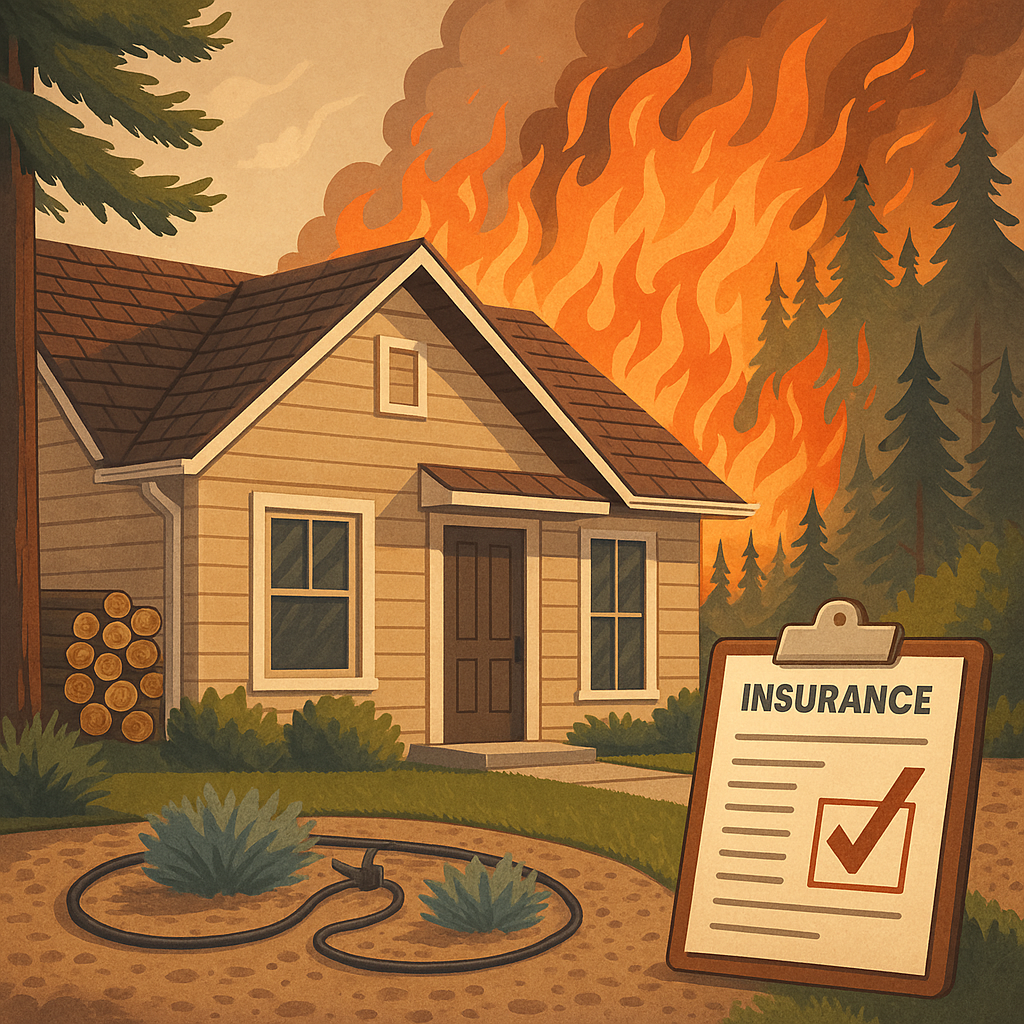
How Utah Property Owners Should Prepare for Climate-Change Regulations and Wildfire Risk
Plain-English guidance on evolving WUI codes, insurance hurdles, permits, water-wise landscaping, and your legal options after a fire.
Utah’s weather extremes are no longer abstract wildfire seasons are longer, droughts deeper, and new laws are catching up. Property owners across the Wasatch Front, southern valleys, and mountain towns are seeing stricter fire-safe construction codes, evolving insurance standards, and climate-readiness rules. This guide from Utah Law Explained walks you through what those changes mean for you and how to prepare legally and practically.
Understand Utah’s Evolving Environmental & Building Regulations
Statewide shift. Utah’s Division of Forestry, Fire & State Lands and local building departments are tightening rules in Wildland-Urban Interface (WUI) zones. Expect stricter roofing, vent, and siding standards aimed at slowing fire spread.
New codes coming. Counties like Summit, Wasatch, and Iron already require defensible-space plans before permits. Future state-level adoption of the International Wildland-Urban Interface Code (IWUIC) could make rules more uniform.
Zoning & setbacks. Local ordinances increasingly define vegetation clearances and structure spacing to meet fire-resistance criteria.
Action: Check your property’s zoning map or contact your local building department to confirm whether new WUI requirements apply.
Create Defensible Space & Meet Wildfire-Prevention Codes
Utah law increasingly treats defensible space as a compliance obligation in high-risk zones.
Navigate Insurance Challenges in High-Risk Areas
Insurers are tightening underwriting standards in Utah’s hillside and canyon neighborhoods.
- Request your wildfire-risk score and ask which mitigation steps reduce it.
- Update home-inventory records annually; keep receipts for fire-hardening upgrades (e.g., metal roofing, ember-resistant vents).
- If you cannot secure private coverage, explore the Utah Fair Plan for limited protection.
Follow Permitting & Compliance Steps for Renovations & New Builds
For builds or remodels, verify plans meet current Utah Building Code (UBC) and local fire-marshal review requirements.
- Submit a site plan showing defensible-space zones.
- Specify approved non-combustible materials.
- Obtain fire-marshal sign-off before final inspection.
Skipping these steps can lead to stop-work orders or costly retrofits.
Adopt Water-Conservation & Drought-Resilient Landscaping
With drought pressures, cities increasingly link water use to permitting.
- Compliance examples: Some municipalities require efficient irrigation systems for new developments and incentivize lawn-to-xeriscape conversions.
- Practical move: Switch to drought-tolerant vegetation and drip irrigationsaves water and doubles as a fire-resistant barrier.
Know Your Legal Recourse After Wildfire Damage
If damage stems from negligence (e.g., faulty utility lines or illegal burns), you may have civil claims.
- File negligence or nuisance claims against responsible parties.
- Join a class action if multiple landowners are affected.
- Apply for federal or state disaster assistance when available.
Save documentation: damage photos, receipts, insurance claims, and agency reports.
Video & Social Learning Hub
YouTube: Utah Wildfire Risk & Mitigation
Instagram Reels: Real-World Utah Fire Safety
Plan Today, Protect Tomorrow
Utah’s climate laws and wildfire regulations are tightening, but proactive steps defensible landscaping, code-compliant upgrades, updated insurance, and drought-ready planning can secure your property and peace of mind.
Talk to a Utah AttorneyFor more plain-English legal guidance, stay updated with Utah Law Explained or learn more on our About Us page.