
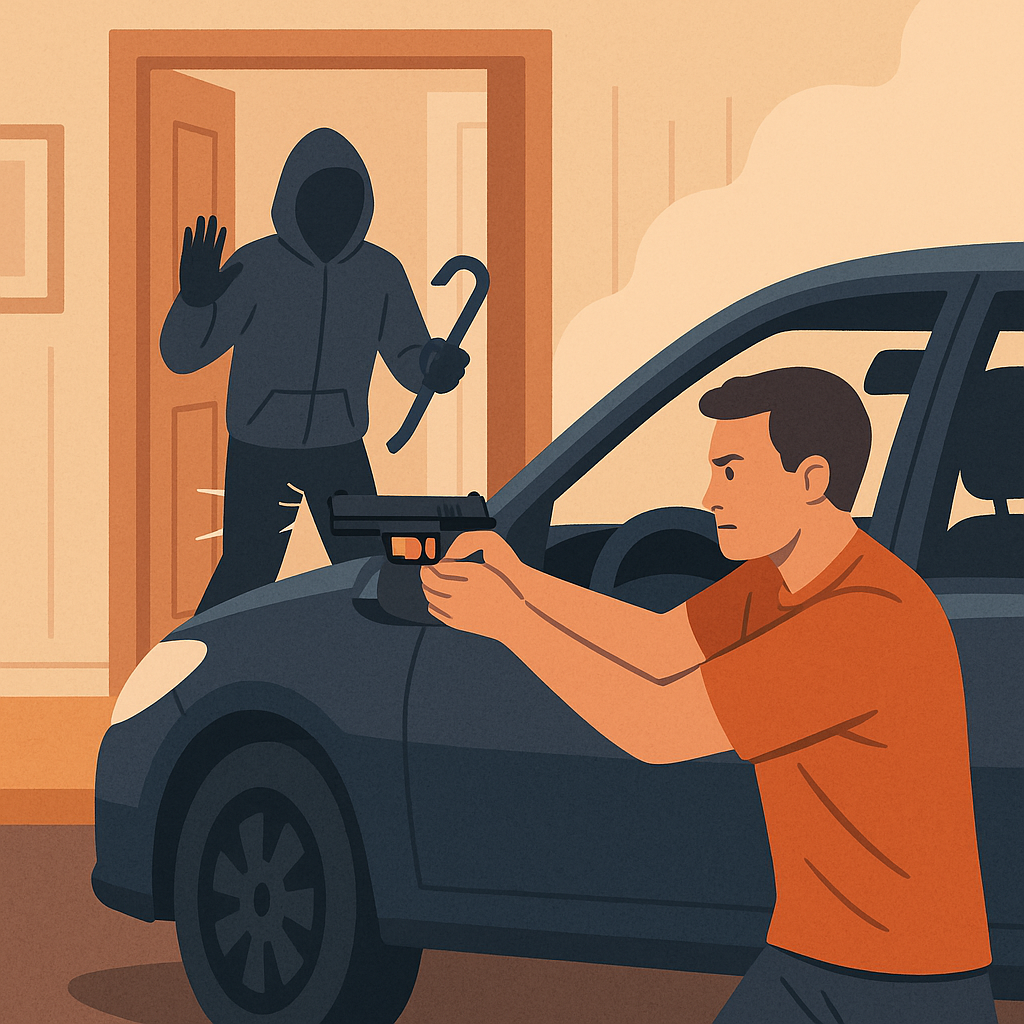
What Utah Law Says About Self-Defense and Use of Force in Your Home or Vehicle
Plain-English explainer on Utah’s self-defense, Stand Your Ground, and Castle Doctrine rules
This article explains what Utah law says about self-defense and when you can legally use force or deadly force to protect yourself, your home, or your vehicle. Utah gives residents strong rights to defend themselves, but those rights have strict limits. Misunderstanding them can lead to criminal charges even if you believed you were doing the right thing. This guide breaks down Utah’s “Stand Your Ground” and “Castle Doctrine,” how police evaluate self-defense claims, and what actions can cross the line from protection into prosecution.
When You Can Use Force to Defend Yourself or Others
Under Utah Code § 76-2-402, you can use reasonable force if you believe it is necessary to prevent harm to yourself or another person. “Reasonable force” means the amount of force a typical person would think is needed to stop the threat, nothing more.
You generally cannot claim self-defense if you were the aggressor, provoked the conflict, or continued fighting after the other person backed off. The law also does not allow force in response to simple insults, trespassing without threat, or other nonviolent acts.
Utah’s “Stand Your Ground” Law
Utah is a Stand Your Ground state. There is no legal duty to retreat before using force as long as you are in a place where you have a lawful right to be and you are not the aggressor.
In practice, this protects someone defending themselves in public spaces like parking lots, stores, or sidewalks. But your actions must still be reasonable and proportionate. Excessive or retaliatory force can still lead to criminal charges.
The “Castle Doctrine” in Your Home and Vehicle
Utah law extends special protection to those defending their homes or vehicles, known as the Castle Doctrine. If someone unlawfully enters or attempts to enter your home, you are presumed to have acted reasonably if you use force to stop them. The same principle applies when defending your vehicle from an intruder or carjacker.
This presumption does not apply if the intruder is a lawful resident, if you invited them inside, or if you used force against a peace officer performing their duties.
When Deadly Force Is Legally Justified
Deadly force is justified only when you reasonably believe it is necessary to prevent death, serious bodily injury, or certain violent crimes like kidnapping or sexual assault. Utah Code §§ 76-2-402 through 76-2-407 outline these limits in detail.
You cannot use deadly force solely to protect property. If the threat is theft, vandalism, or trespass without danger to life, deadly force will not be justified. Courts closely examine the immediacy of the threat and whether other safe options existed.
How Police Investigate Self-Defense Claims
When law enforcement investigates a self-defense incident, they look at physical evidence, witness statements, and your own account. What you say right after the event can strongly influence how your case is viewed.
Even if you acted within the law, you could still face temporary detention or a grand jury review, especially when deadly force is involved.
Common Mistakes That Turn Justified Defense Into a Crime
- Chasing a fleeing suspect. Once a threat ends, continuing pursuit can make you the aggressor.
- Using force after the danger passes. The right to defend yourself stops when the threat does.
- Speaking too freely to police. Statements made in shock or confusion can be misinterpreted.
- Brandishing a weapon without cause. Threatening someone with a firearm can itself be a crime if there is no immediate danger.
What to Say (and Not Say) to Police
After a self-defense situation, stay calm and call 911 immediately. When officers arrive, identify yourself and state that you were in fear for your life or safety. Avoid detailed statements until you have spoken to an attorney.
Key Takeaways
Utah allows reasonable force in self-defense without a duty to retreat if you are lawfully present and not the aggressor.
Castle Doctrine presumes reasonableness when stopping unlawful entry into your home or vehicle, with specific exceptions.
Deadly force is limited to preventing death, serious injury, or certain violent felonies; never for property alone.
Your statements matter. Ask to speak with an attorney before giving detailed answers.
Related Videos and Posts
YouTube Resources
Need Help Applying This to Your Situation?
Understanding Utah’s self-defense laws can make the difference between lawful protection and a criminal charge. If you are involved in a use-of-force situation, stay calm, call for help, and get legal guidance right away.
Talk to a Utah AttorneyFor more Utah-specific legal explainers and everyday rights guides, visit Utah Law Explained where Utah law is made clear, practical, and easy to understand.